
Blog
What That Garage Door Noise Is Actually Telling You
Grinding, popping, or slamming garage door in Springdale? Here's what each noise means for the 1980s-2000s stock common across the area, and when to call.
What Is Going On
Most houses on this side of Northwest Arkansas went up between 1979 and 2013, with the median build year sitting around 1998. That matters more than people think, because a door that's 20-plus years old is running on hardware from a different era of spring winding and opener design than anything sold today. A grinding sound on a door from a house built in the late 90s is almost always a worn roller that was never swapped out, not a motor problem. A loud bang followed by the door refusing to move is a torsion spring that's done - common on these original builders'-grade setups once they hit two decades of cycles. If your house falls into that 1980s-90s band that covers most of the named areas around here, the noise you're hearing is probably mechanical fatigue, not a fluke. Newer builds closer to 2013 tend to have lighter-gauge tracks that chatter instead of grind when they're out of alignment, which is a different fix entirely. Knowing roughly when your house was built tells you which failure you're more likely dealing with before anyone opens the panel.
What to Check
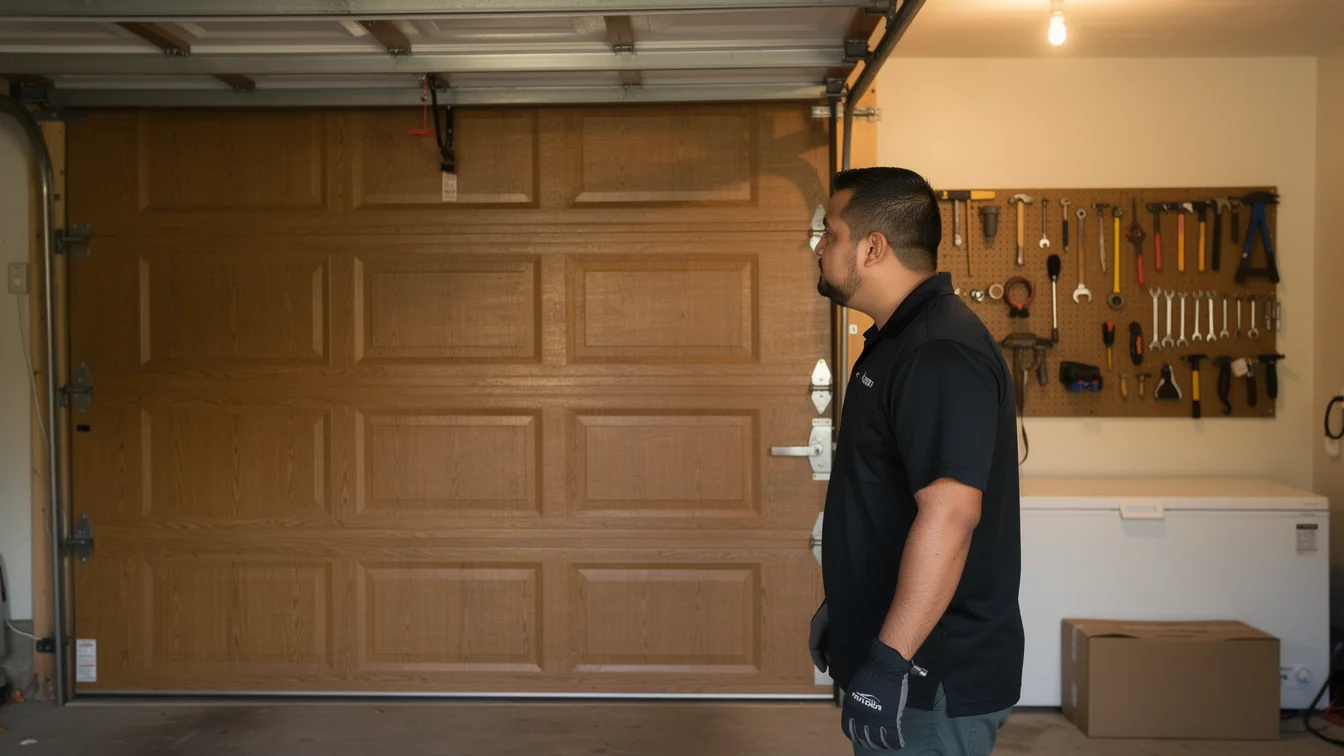
Start at the rollers - on a door installed in the 80s or 90s, these are usually the first thing to go, and they'll sound like a rock tumbler long before the opener itself struggles. Next, look at the track brackets where they bolt to the frame; houses from this build era often have the original hardware, and loose lag bolts show up as a rattle that gets worse as the door travels. Check the spring itself for a visible gap - a torsion spring that's separated even slightly is not something to keep running, cycle it once more and call it done. Listen for timing: a noise only on the way down usually points to the spring or cable, a noise only going up usually points to the opener's drive mechanism or a roller binding in the track. None of this requires removing anything, just running the door a few times with the garage quiet and your hand near (not on) the moving parts.
What the Weather Here Does to It
This area sits in a cold-moderate climate band, which means the garage door hardware goes through real freeze-thaw cycling every winter without the extreme swings of a true northern climate. That's enough to matter. Steel tracks and torsion springs contract in cold mornings and expand through the afternoon, and over a couple decades that cycling is what loosens bolts and dries out lubrication faster than owners expect. It's also why a door that's been quiet all summer suddenly starts popping or grinding the first cold week of the year - the metal's just moving differently than it was in July. Humidity swings here also do a number on anything wood-adjacent, including older wood jamb trim around the door opening, which can warp slightly and throw off alignment on tracks that were shimmed to a square opening originally. None of this is dramatic weather, no hurricanes or deep freezes, but the moderate back-and-forth is steady wear, and on a door that's already 15 or 20 years into its life, steady wear is what finally makes noise you notice.
When It Stops Being a DIY Job
A dry roller or a loose bracket bolt is fair game to handle yourself. A torsion spring is not - the thing is wound under enough tension to break a hand, and we don't walk homeowners through replacing one over the phone, full stop. That's the honest limit here: if the noise traces back to the spring, the cable, or anything holding tension, it's a call, not a weekend project. Given that most of the houses across this service area were built between 1979 and 2013, a lot of what we're replacing is original springs and openers that have simply reached the end of a normal 20-25 year service life - that's not a sign anything was done wrong, it's just time. We'd rather tell a homeowner their $150 fix is actually a $150 fix than talk them into a full door replacement they don't need yet. But if the spring's gone or the track is bent, trying to force another season out of it usually just turns a controlled repair into an emergency one.
Questions
Common questions
My garage door makes a loud bang and then won't move. Is that the opener?
No - that bang is almost always a torsion spring breaking, not the opener. The opener is still fine; it just doesn't have enough force on its own to lift the door once the spring's tension is gone. Don't try to force it open with the opener or by hand. This is a spring replacement job, not a DIY fix.
Why does my door only make noise in winter?
This area runs a cold-moderate climate, and the freeze-thaw cycling through winter mornings makes steel track and spring hardware contract and expand more than it does in summer. On a door that's 15-20 years old, that extra movement is often enough to expose a roller or bolt that was already marginal.
How old is too old for a garage door around here?
There's no hard cutoff, but most houses in this area were built between 1979 and 2013, with a lot of stock from the 1980s and 90s. Springs and openers in that range are commonly 20-plus years into service, which is near or past normal life expectancy for that hardware.
Recommendation
You Might Also Like
More garage door guides for Springdale homeowners.
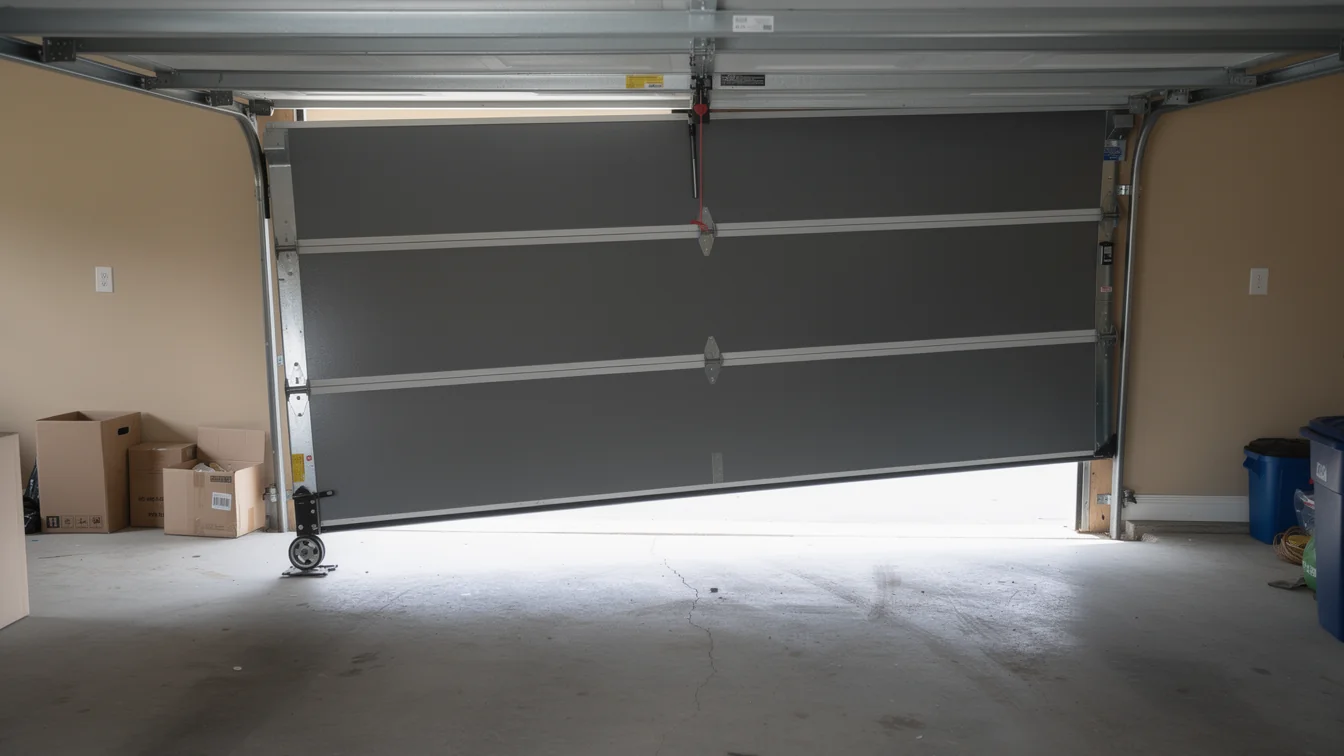
Why a Garage Door Goes Off Track
Springdale's 1980s-90s housing stock and cold winters both play a part in doors jumping track.
Read guide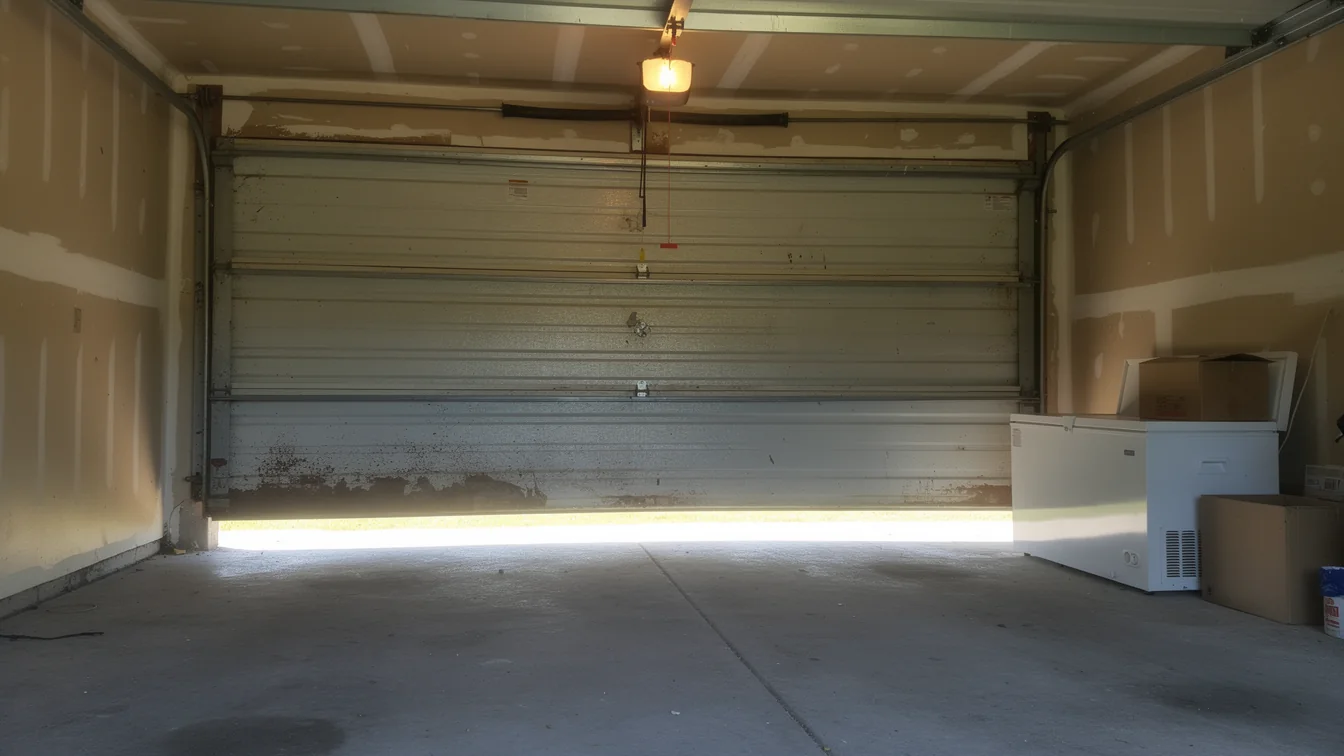
Why So Many Springdale Garage Doors Were Never Built to Hold Heat
Most Springdale houses went up between 1979 and 2013, median year 1998 - before insulated garage doors were standard.
Read guide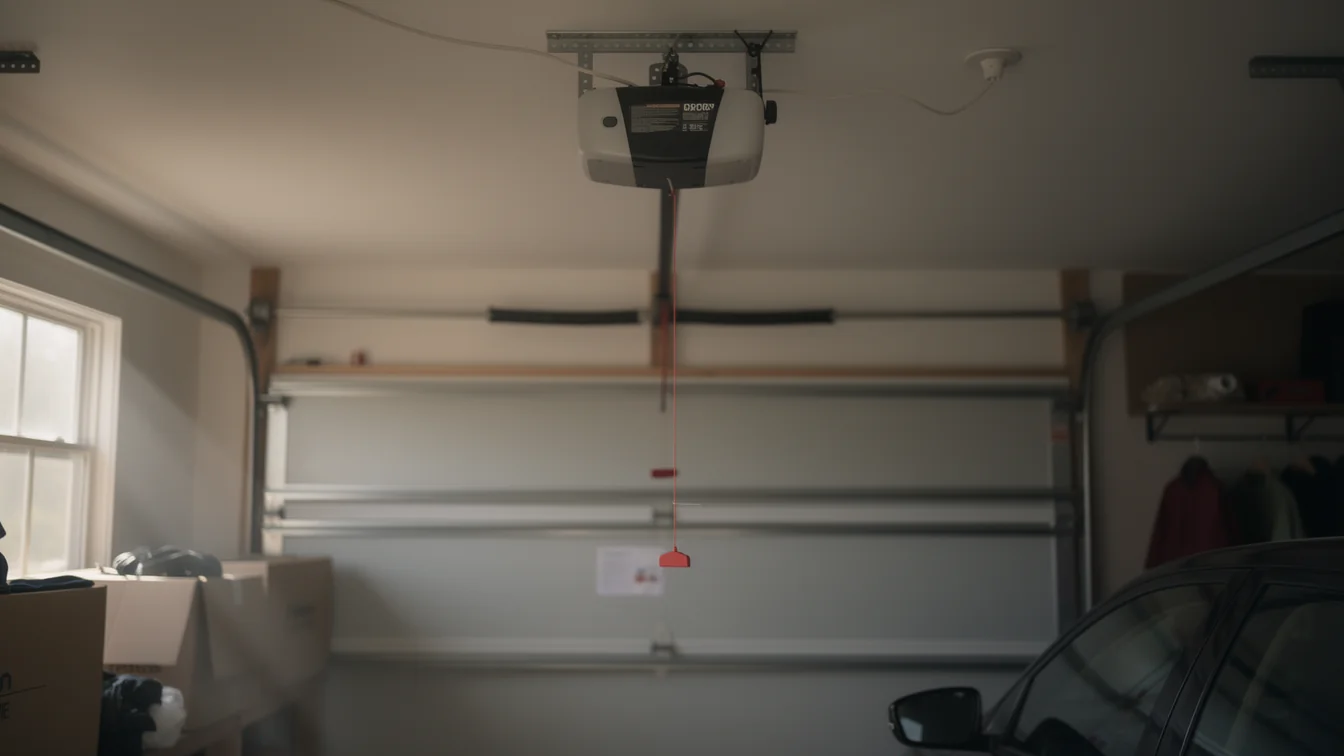
When the Power Goes Out, Your Opener Doesn't Know What to Do
Springdale homes built mostly between 1979 and 2013 lean on openers that don't love winter power loss.
Read guideReady when you are
Need a garage door sorted in Springdale?
Springdale Garage Door Pros repairs and installs garage doors, springs and openers in Springdale, AR and the surrounding area.