
Blog
Is Your Springdale Garage Door Worth Fixing, or Done
Springdale homes mostly date 1980s-1998. Here's how to tell if your garage door is worth repairing or past it, based on this area's housing age and cold-moderate winters.
What Is Going On
Most of the housing around Springdale went up between 1979 and 2013, with the median build year sitting around 1998. That puts a huge share of doors in this service area right at the edge of their expected life - galvanized torsion springs are rated for somewhere around 10,000 cycles, and a door installed when the house was built in the late 1980s or 1990s has likely seen that many open-and-close cycles twice over by now. If your house falls into that 1980s-90s block that covers most of the 19 named areas around here, your door hardware is old enough to be the reason for the noise, the sag, or the opener straining on every third try. It's not always obvious whether the fix is a $40 part or a full tear-out. The honest answer depends on what's actually failing - spring, track, or the door section itself - and how much the opener has already been compensating for a door that's out of balance.
What to Check
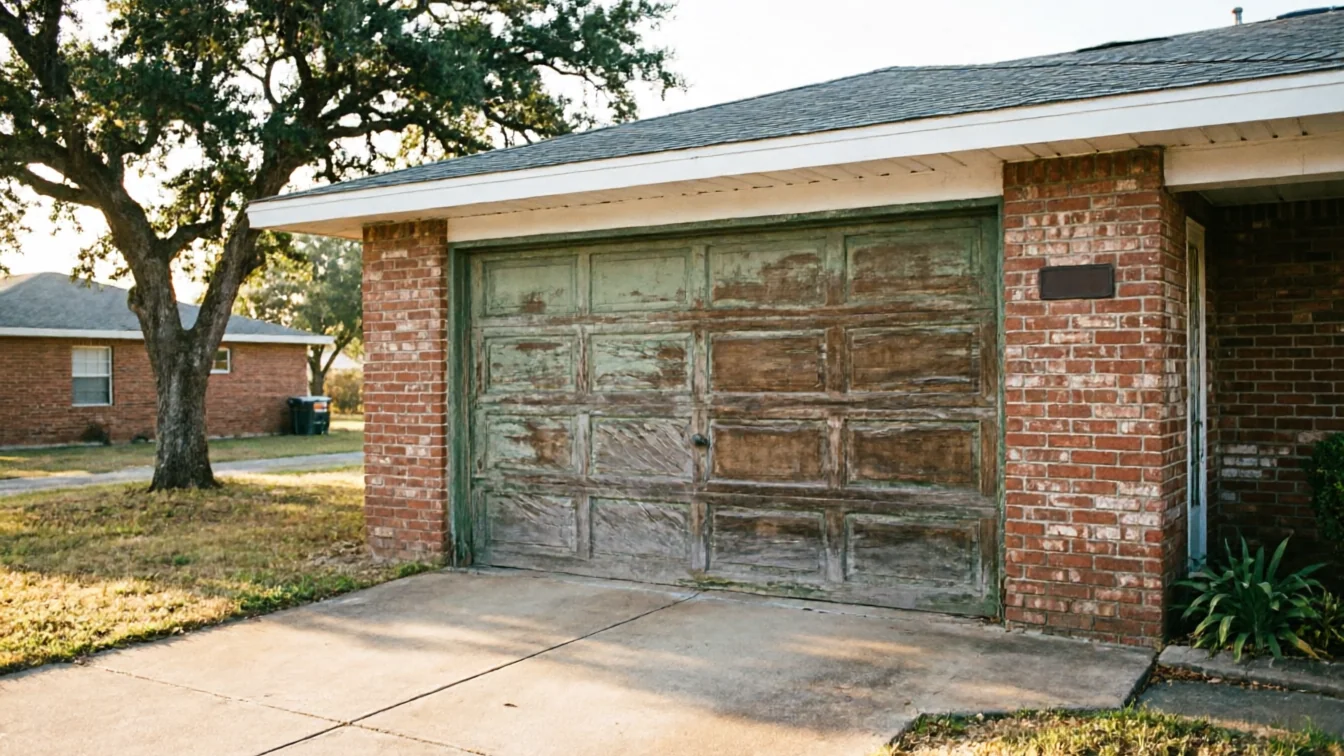
Start with balance, not the opener. Disconnect the opener, lift the door by hand to waist height, and let go. If it holds steady, the springs are doing their job. If it drops or shoots up, the spring is worn or snapped and the opener has been masking that by working overtime - which is common on houses built in the 1980s-90s stretch that makes up most of this area's stock, since original springs from that era are long past rated cycles. Next, look at the tracks for rust pitting or bent sections, and check hinges for metal fatigue cracks at the panel edges. On a door installed before the mid-1990s, galvanized coatings were thinner than what's used now, so rust at the bottom roller brackets is a common failure point rather than a fluke. If the door is original to a house built closer to 1998 - the median build year here - you're often looking at one or two worn parts on an otherwise sound door, which is a repair, not a replacement.
What the Weather Here Does to It
This area sits in a cold-moderate climate band, which means steel hardware goes through real freeze-thaw cycling every winter without the deep-freeze extremes that would justify insulated everything. That matters for repair decisions: lubricant that's thinned out and gummed up with dust turns stiff in cold mornings, and a door that already struggles to seal will let in enough cold air to matter on a 20-degree night but won't crack a panel the way a harsher climate might. Rollers and hinges on an older, non-insulated door bind up faster in cold weather than they would in a mild-winter region, which is often mistaken for a dying opener when it's really just old grease and worn bearings. If your door is from the 1980s-90s stock common across this area, replacing worn rollers and a seal before winter is usually cheaper than fighting a stuck door every cold morning.
When It Stops Being a DIY Job
A door that's merely stiff or noisy is often a repair you can justify - new rollers, a cable, a tune-up on hardware from a house built in that 1979-2013 range. A door with a broken torsion spring, a bent track, or a panel that's buckled from impact is a different category, and that's where I'll be straight with you: if the door is original to a house from the early end of that build window and the track is bent along with a cracked panel, you're usually better off replacing the door than chasing parts for hardware that old. I don't stock every obsolete spring size from 30-plus-year-old installs, and sourcing one can add days to a repair that a new door wouldn't need. If your opener is straining against a door that won't hold balance on its own, that's also past the point of a quick fix - the spring needs replacing before anything else gets touched.
Questions
Common questions
How do I know if my garage door spring is actually broken versus just worn?
A broken spring usually shows a visible gap in the coil and the door won't lift at all, even with help. A worn spring still lifts but the door feels heavier than it used to and the opener strains. Given how much of this area's housing dates to the 1980s-90s, worn-but-not-broken is more common than a clean break.
Is it worth insulating an old garage door given the winters here?
This area sits in a cold-moderate band, not an extreme-cold one, so a full insulated replacement isn't always necessary just for comfort. If the door is otherwise sound, weatherstripping and a bottom seal often solve the draft problem for less than a full door swap.
My house was built in the late 1990s - should I expect the original door hardware to still be good?
Possibly, but the median build year across this area is around 1998, and original torsion springs from that era are well past their rated cycle count by now. It's worth a balance check even if nothing seems obviously wrong yet.
Recommendation
You Might Also Like
More garage door guides for Springdale homeowners.
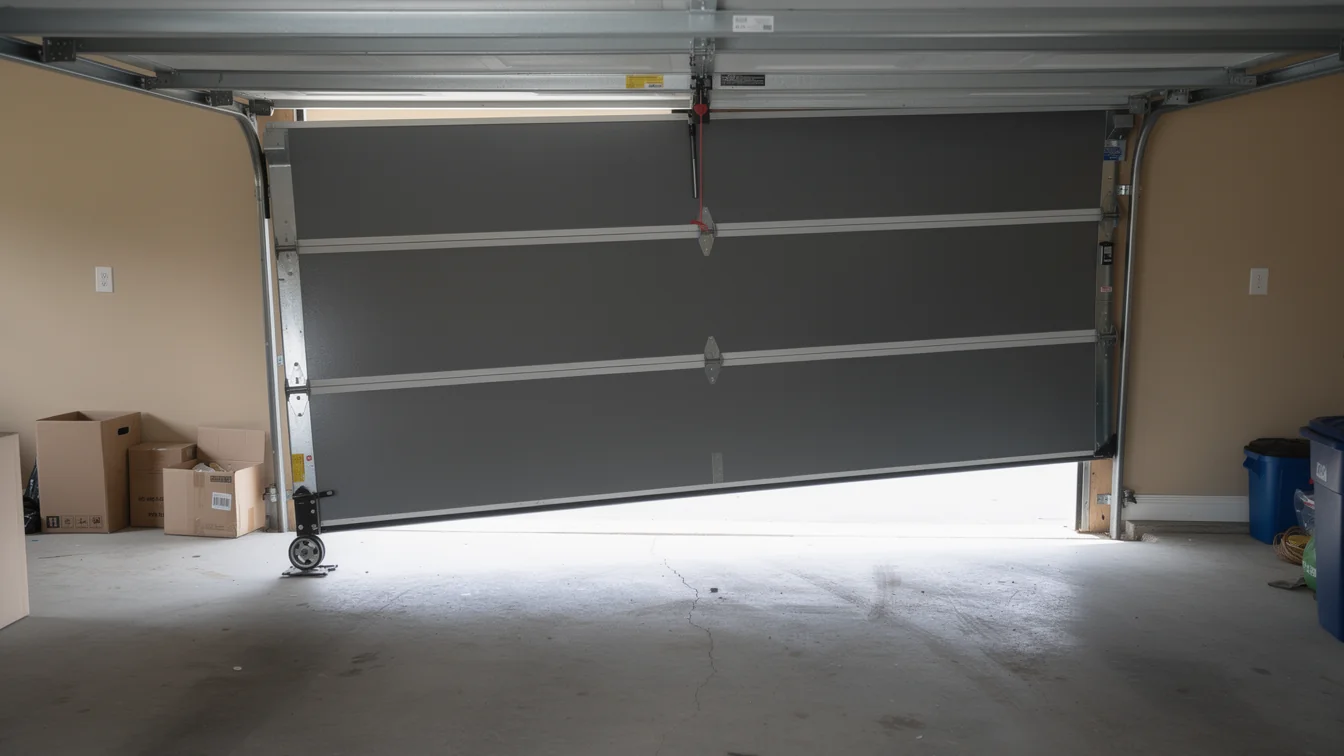
Why a Garage Door Goes Off Track
Springdale's 1980s-90s housing stock and cold winters both play a part in doors jumping track.
Read guide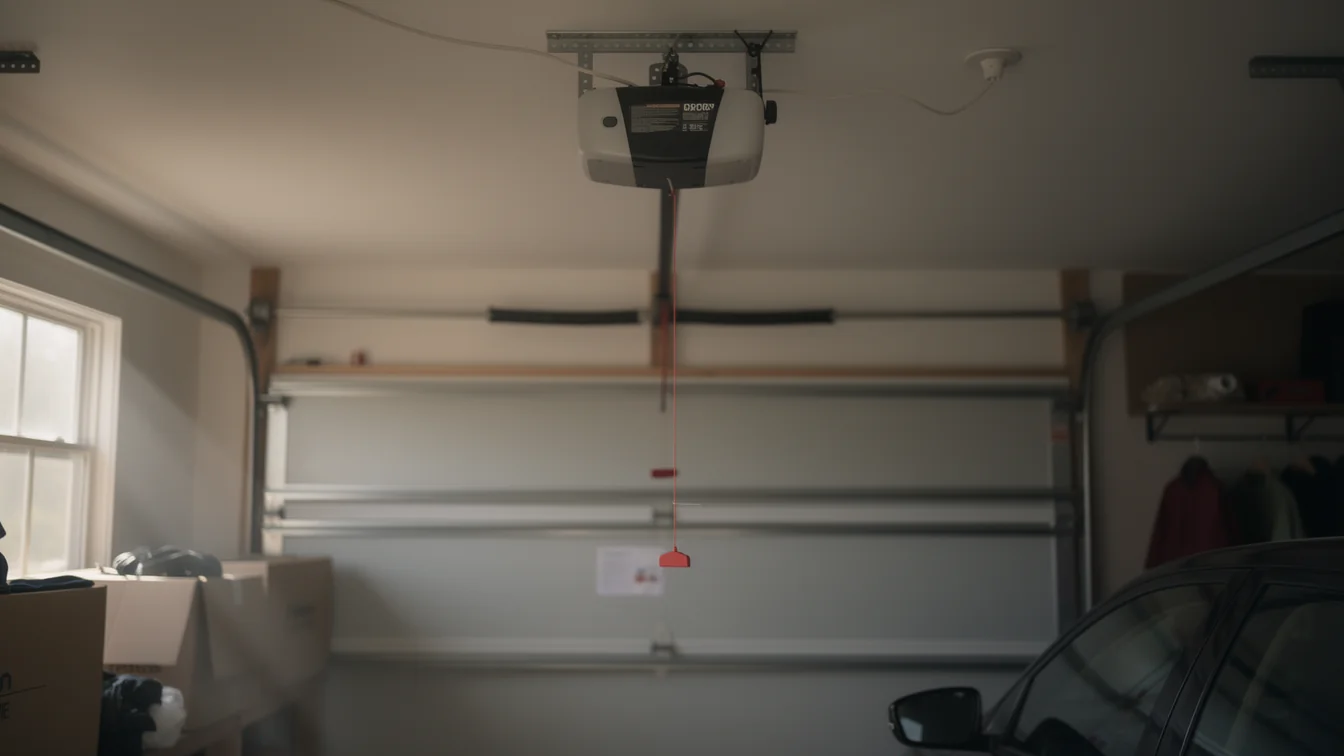
When the Power Goes Out, Your Opener Doesn't Know What to Do
Springdale homes built mostly between 1979 and 2013 lean on openers that don't love winter power loss.
Read guide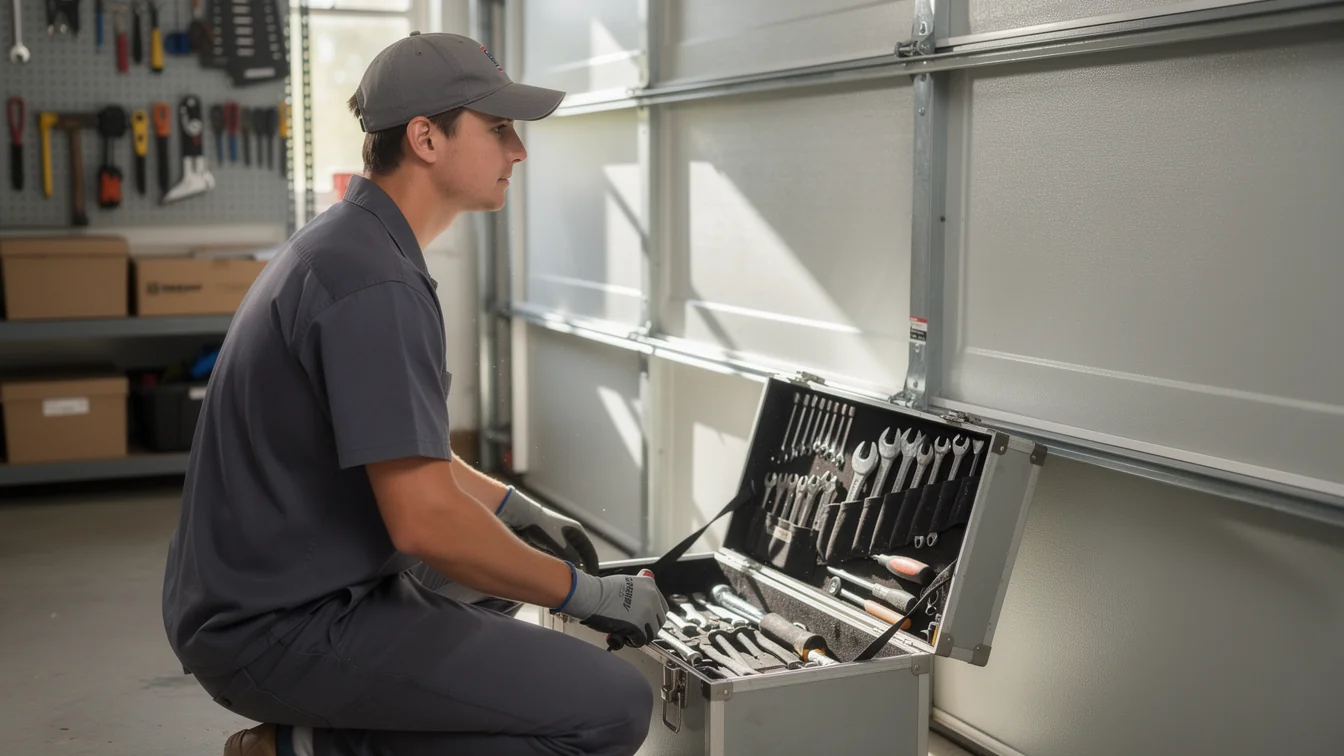
What We Actually Look At When We Show Up
Springdale homes mostly date 1979-2013.
Read guideReady when you are
Need a garage door sorted in Springdale?
Springdale Garage Door Pros repairs and installs garage doors, springs and openers in Springdale, AR and the surrounding area.