
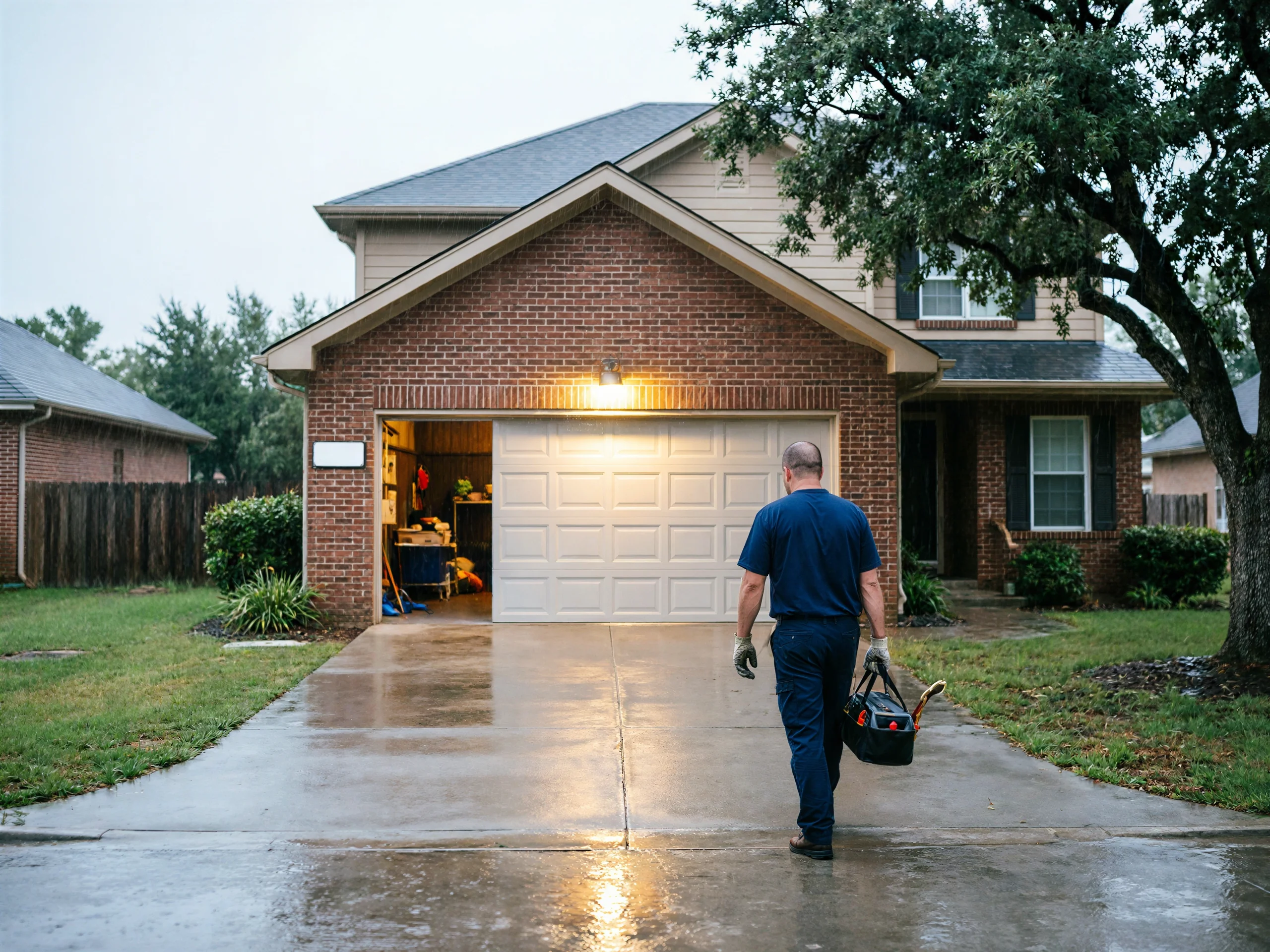
Springdale, AR
Emergency Garage Door Repair for Springdale Homes
Springdale homes built between 1979 and 2013 share specific spring and opener failures tied to this area's cold winters. Here's what an emergency repair actually involves.
Doing It Yourself
If your door is stuck halfway open or a cable has jumped the drum, the safest move is to stop touching it and call. A garage door under spring tension stores enough force to break fingers or worse, and torsion springs built for the 16-foot doors common on the newer construction around here are wound tighter than most homeowners expect.
Manual release cord use
What you can safely do yourself: pull the manual release cord to free the opener carriage if someone's trapped inside or the car needs to get out, check that the photo-eye sensors near the floor aren't knocked out of alignment or covered in dust, and look for a bent track rather than trying to force the door past it.
Off-track door warning signs
Past that, leave it. A door that's off-track on one side can look like a simple fix and actually be a sign the cable on the other side already failed. We'd rather talk you through what's safe over the phone than have you find out the hard way that a 'quick push' finishes the job wrong.
Same-day call for fallen doors
One honest limit here: if a spring has already let go and the door is sitting on the floor, there's no DIY step that makes that safer to wait on. That's a same-day call, not a weekend project.
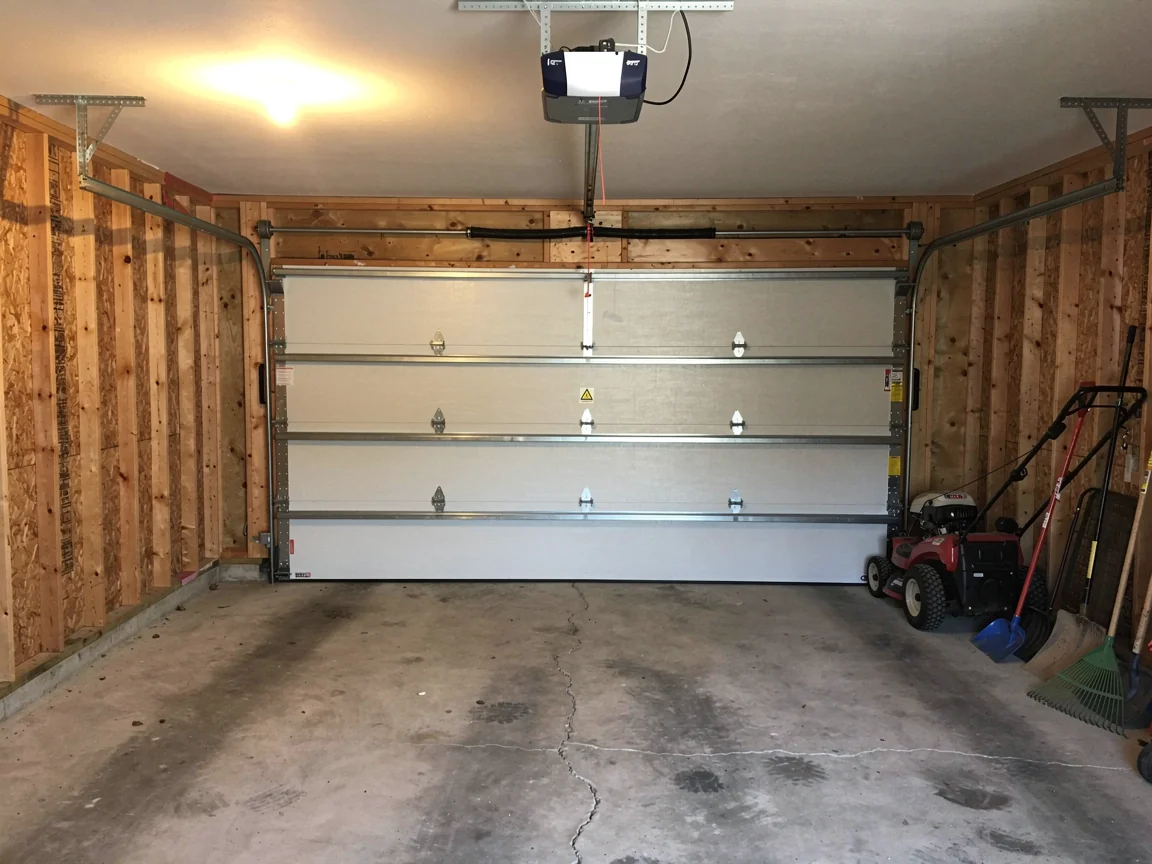
The Symptom
The calls we get labeled 'emergency' usually sound like one of three things: the door won't move at all and the opener just hums, the door drops suddenly when it was fine an hour ago, or it opens a few inches and reverses itself every time.
Hum but no movement
Each points somewhere different. A silent hum with no movement is almost always a broken spring, not a dead opener. A sudden drop mid-cycle is a cable or a snapped spring losing tension unevenly, which is why the door often comes down crooked rather than flat. The repeat-reverse pattern is usually the safety sensors or a track that's gotten tight enough to trip the opener's force sensor, not the opener itself.
Shared symptoms across neighborhoods
Homeowners across this area, whether you're in an older section near the center of town or one of the newer subdivisions built since the late 1990s, describe the same handful of symptoms because the hardware installed during that build-out period is largely the same hardware, just at different ages.
Right parts on first trip
Knowing which symptom you've got before we show up means we bring the right spring size and cable length on the first trip instead of a second one.
What the Fix Involves
A torsion spring replacement means releasing stored tension safely, pulling both springs (we don't replace one and leave its matching pair to fail next month), and resetting the torsion bar to the door's actual weight, which varies more than people think between a steel single door and an insulated double.
Checking both cables
A cable repair means unwinding the drum, re-seating or replacing the cable, and checking the other cable while we're in there since they wear at close to the same rate. An opener-related call is different work entirely: testing the logic board, checking the capacitor, and confirming it's not just a tripped breaker or a sensor eye bumped out of alignment by a stored bike or a kid's bounce house.
Stocked spring sizes
We carry common spring sizes and standard cable lengths on the truck because most of the housing stock across this service area falls into a narrow range of door weights and track styles from the 1980s through the 2000s.
Jamb rot becomes scheduled
What we don't do on an emergency call is replace a whole door system on the spot - if the fix reveals rot in the jamb or a bent track that's beyond straightening, that becomes a scheduled job, not a same-night one.
Why It Happens Here
Most of the housing across this service area went up between 1979 and 2013, with the bulk of it dating to the 1980s and 90s, and that matters for one simple reason: torsion springs have a working life measured in cycles, not years, and a lot of doors installed during that build-out are now old enough that springs are reaching the end of that life at roughly the same time. Add a cold winter climate to that, and steel springs and cables contract in the cold, which raises tension on a spring that's already fatigued and is often the thing that pushes a slow failure into a sudden one on a January morning. We see the same pattern across the 19 named areas this region covers, not because of anything unique to one street, but because the hardware installed across those decades was largely the same product line, aging on the same schedule. It's also why winter mornings produce more of these calls than summer afternoons - the metal's tighter, the garage is colder, and a spring that had a little life left in October doesn't have it left in February.
Questions
Common questions
How fast can you get to an emergency garage door call in Springdale?
We don't quote a number we can't guarantee, since it depends on where you are in the service area and what's already on the truck that day. What we can tell you is that a broken spring or snapped cable gets priority over scheduled work, and we'll give you an honest window when you call rather than a generic promise.
Is a broken spring actually an emergency, or can it wait?
If the door is down and won't open, or it's stuck halfway, treat it as one. A spring under partial tension can let go further without warning. If the door is already closed and staying put, you can usually wait a day or two for a scheduled visit instead of paying for an after-hours call.
Why did my opener motor hum but the door not move?
That's almost always a broken spring, not a dead motor. The opener isn't built to lift a garage door's full weight alone - the springs carry that load, and the opener just adds the final push. When a spring fails, the motor tries and fails to move dead weight, which sounds like a hum with no motion.
Will you replace just one spring if only one broke?
No. Torsion springs are sold and installed in matched pairs for a reason - if one failed from fatigue, the other is close behind it, and mismatched springs put uneven tension on the door that causes it to rack. We replace both.
Explore more
Explore More Services In Springdale, AR
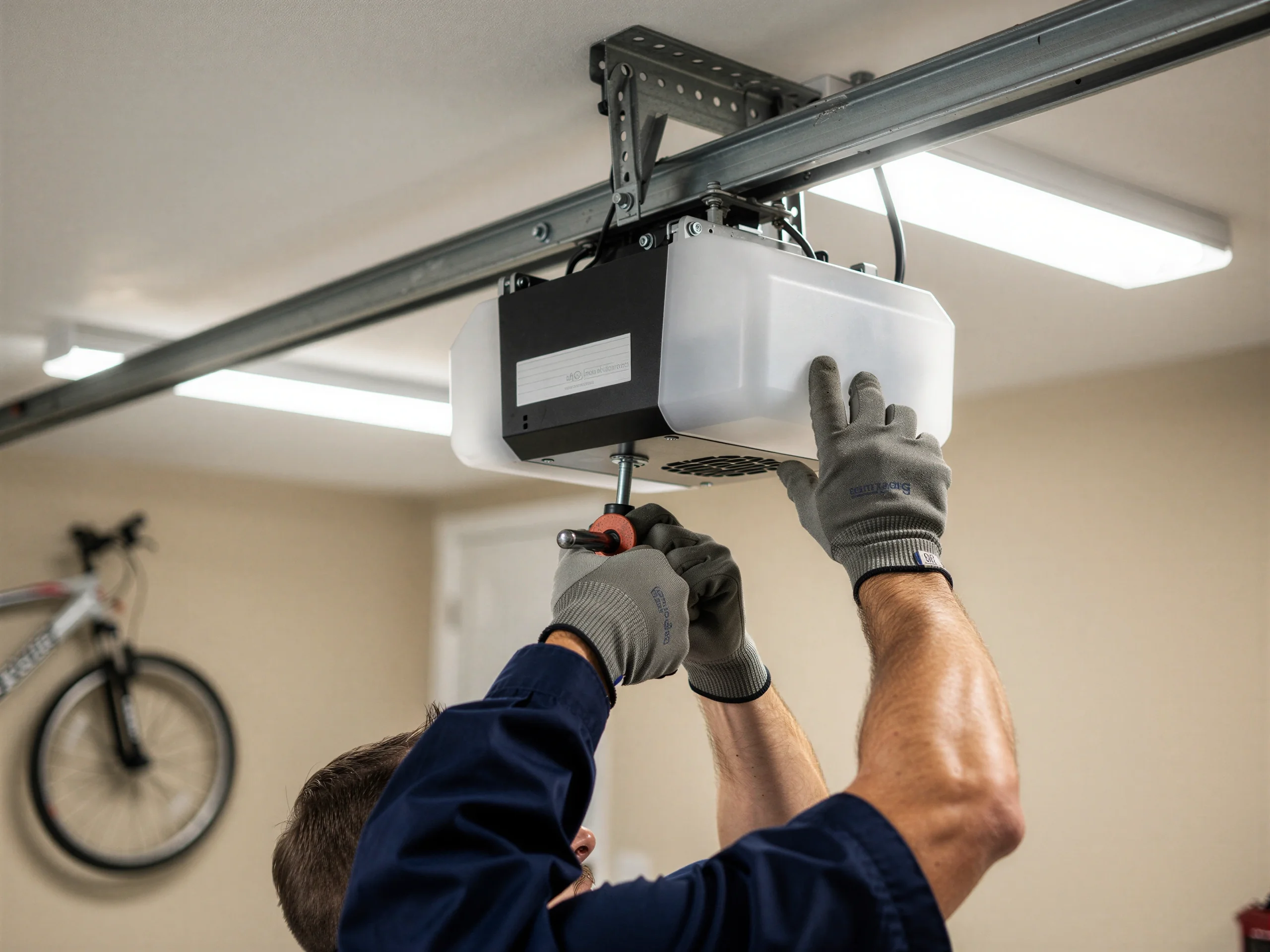
Garage Door Opener Installation for Springdale-Area Homes
Opener installation for Springdale-area homes built mostly between 1979 and 2013 - matching the right drive type to your garage, your door, and our cold-moderate winters. Learn more →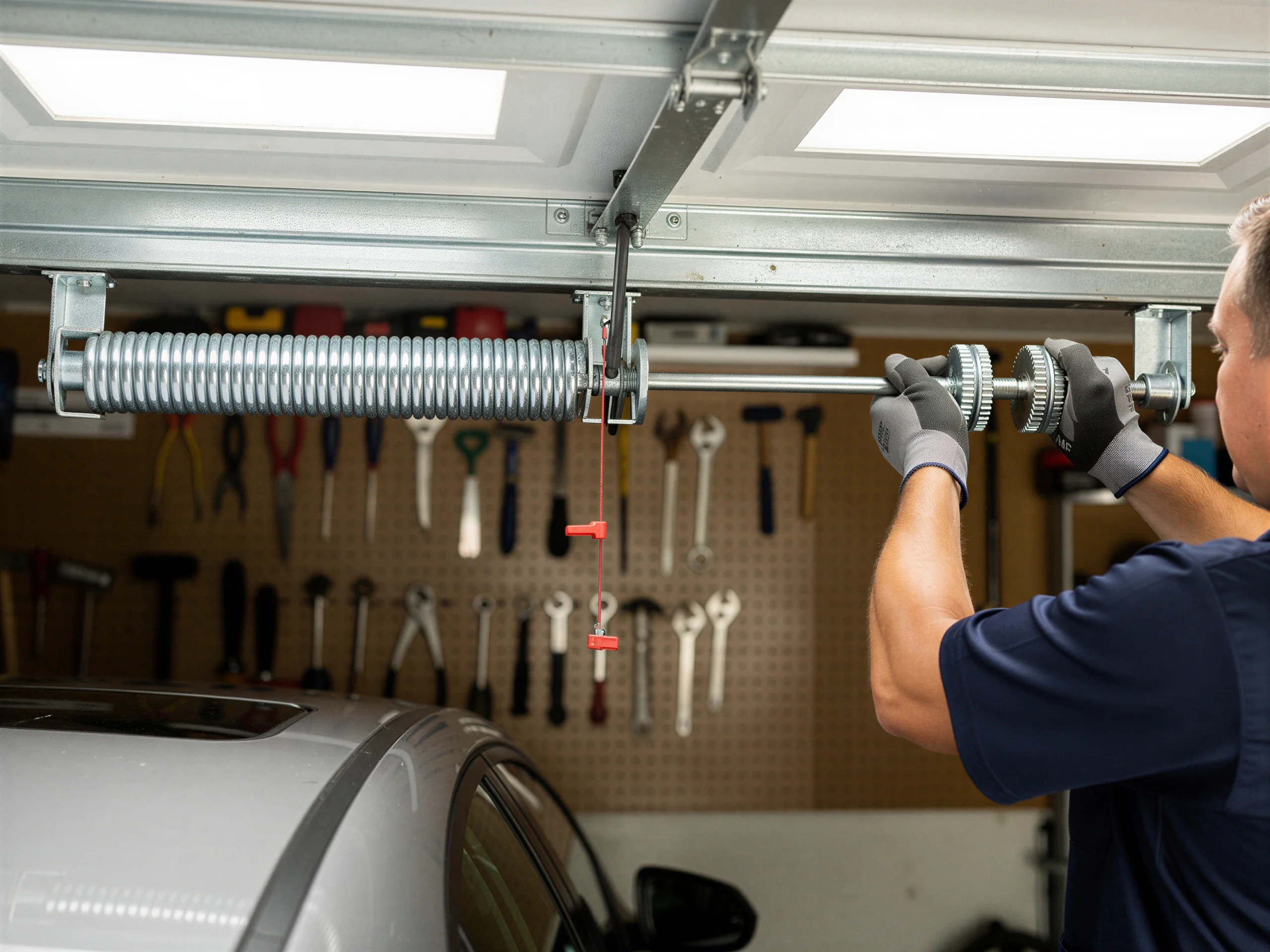
Garage Door Spring Repair for Springdale Homes
Broken torsion spring on a Springdale home built in the 80s or 90s? Learn more →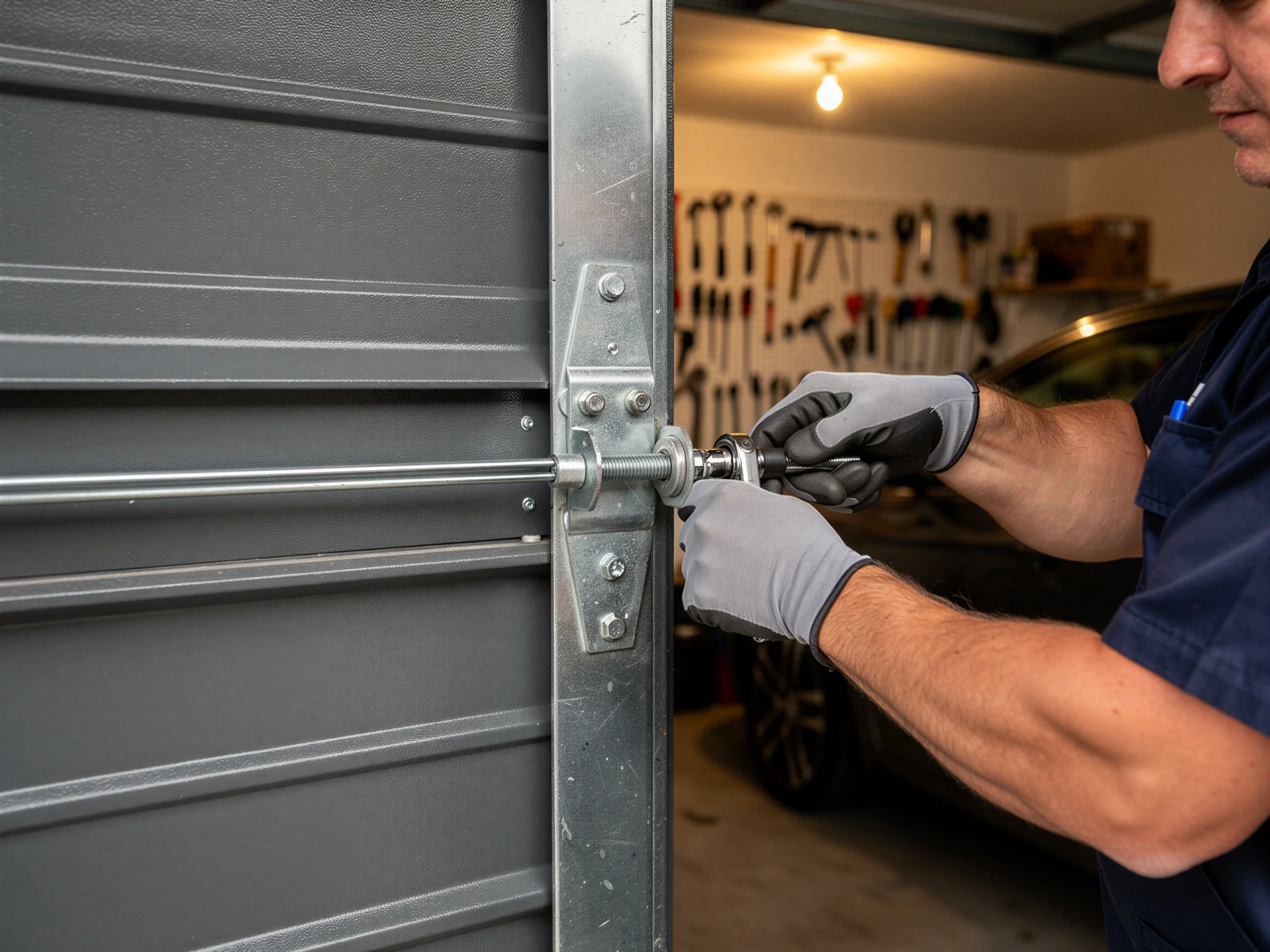
Garage Door Repair in Springdale, AR
Springdale homes built between 1979 and 2013 are hitting the age where torsion springs and openers fail. Learn more →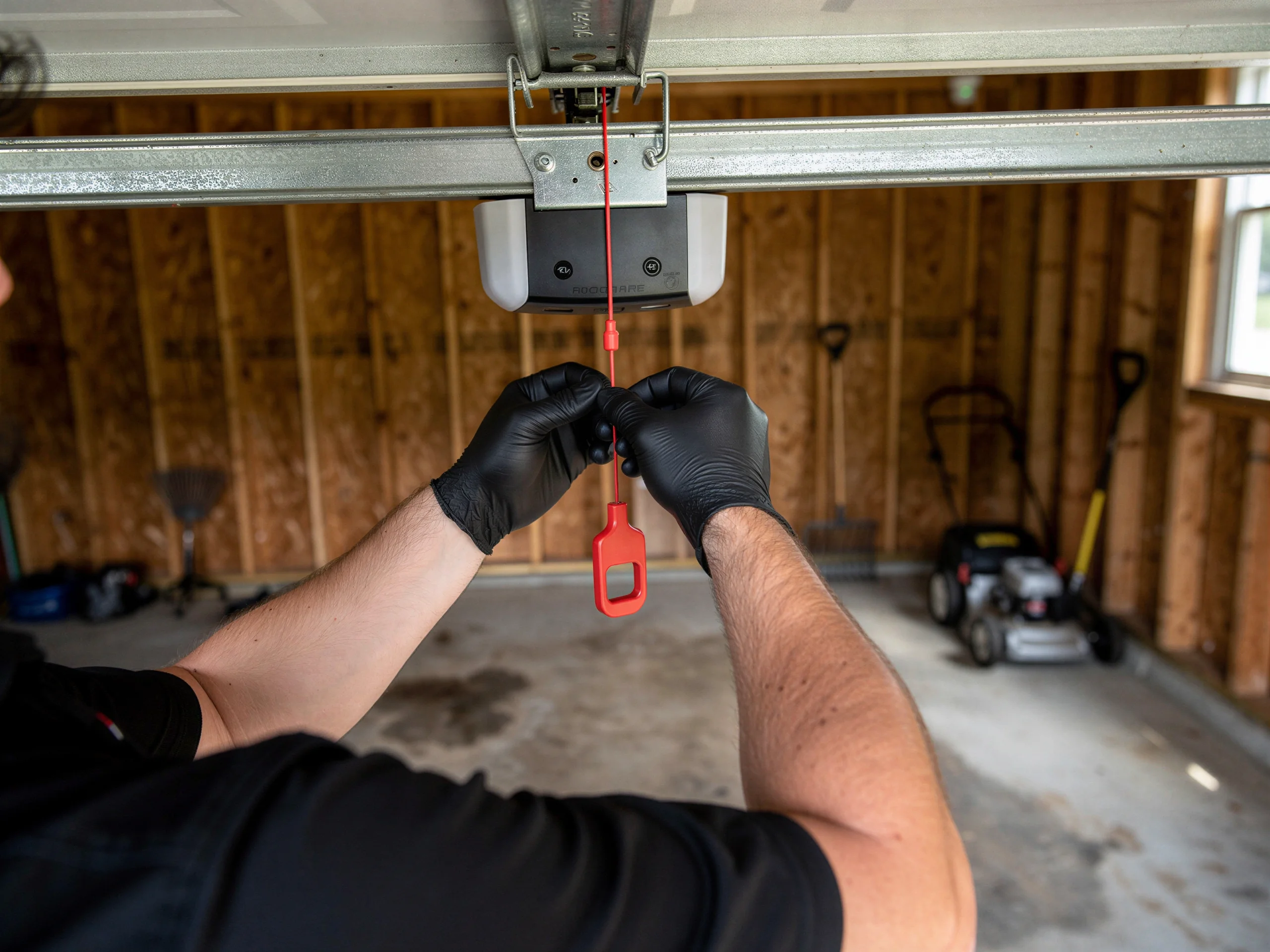
Garage Door Opener Repair Around Springdale, AR
Opener grinding, reversing, or dead on arrival? Learn more →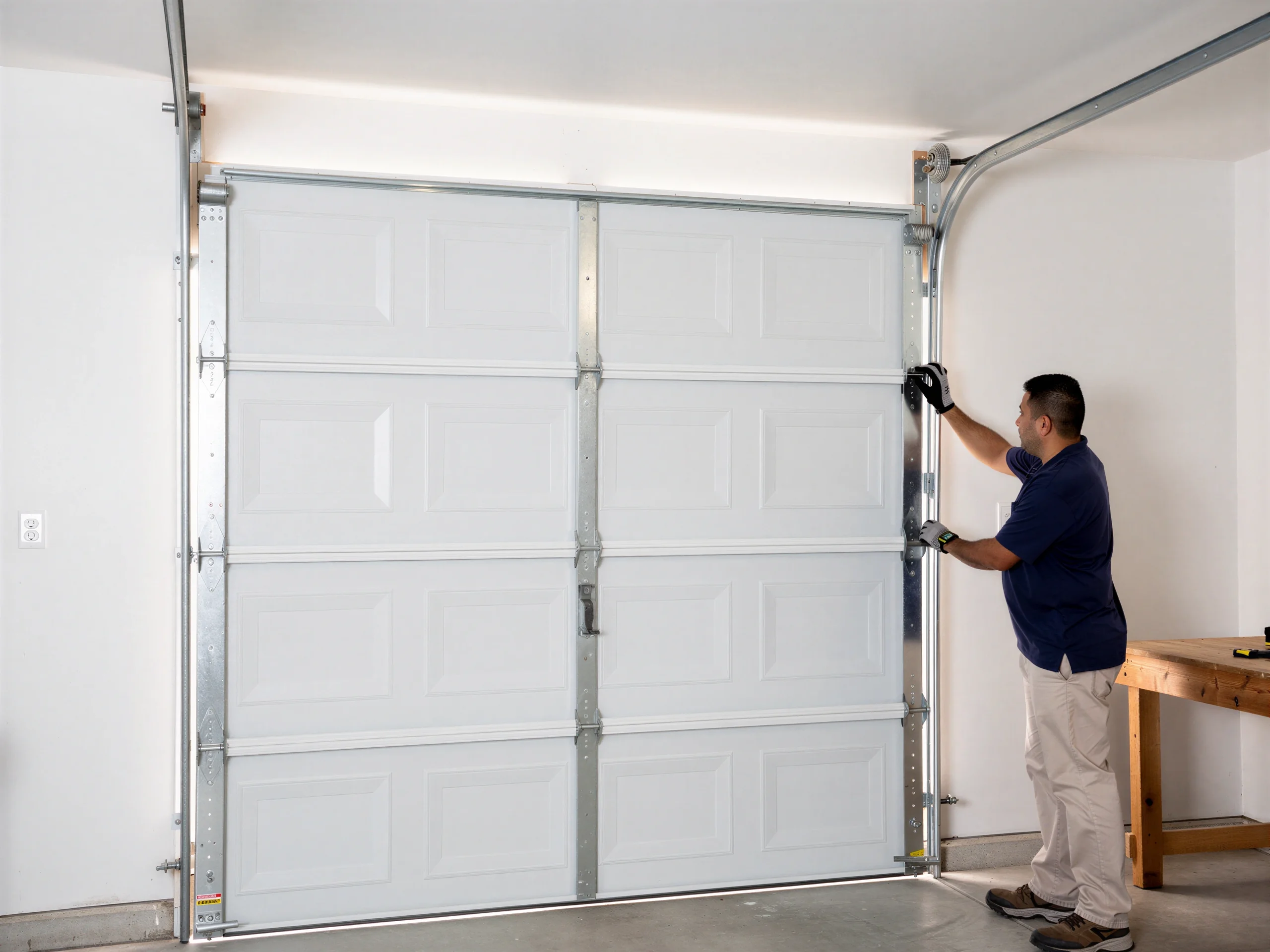
Garage Door Installation for Springdale Homes
Replacing a garage door in Springdale means matching 1980s-2000s framing and cold-climate hardware. Learn more →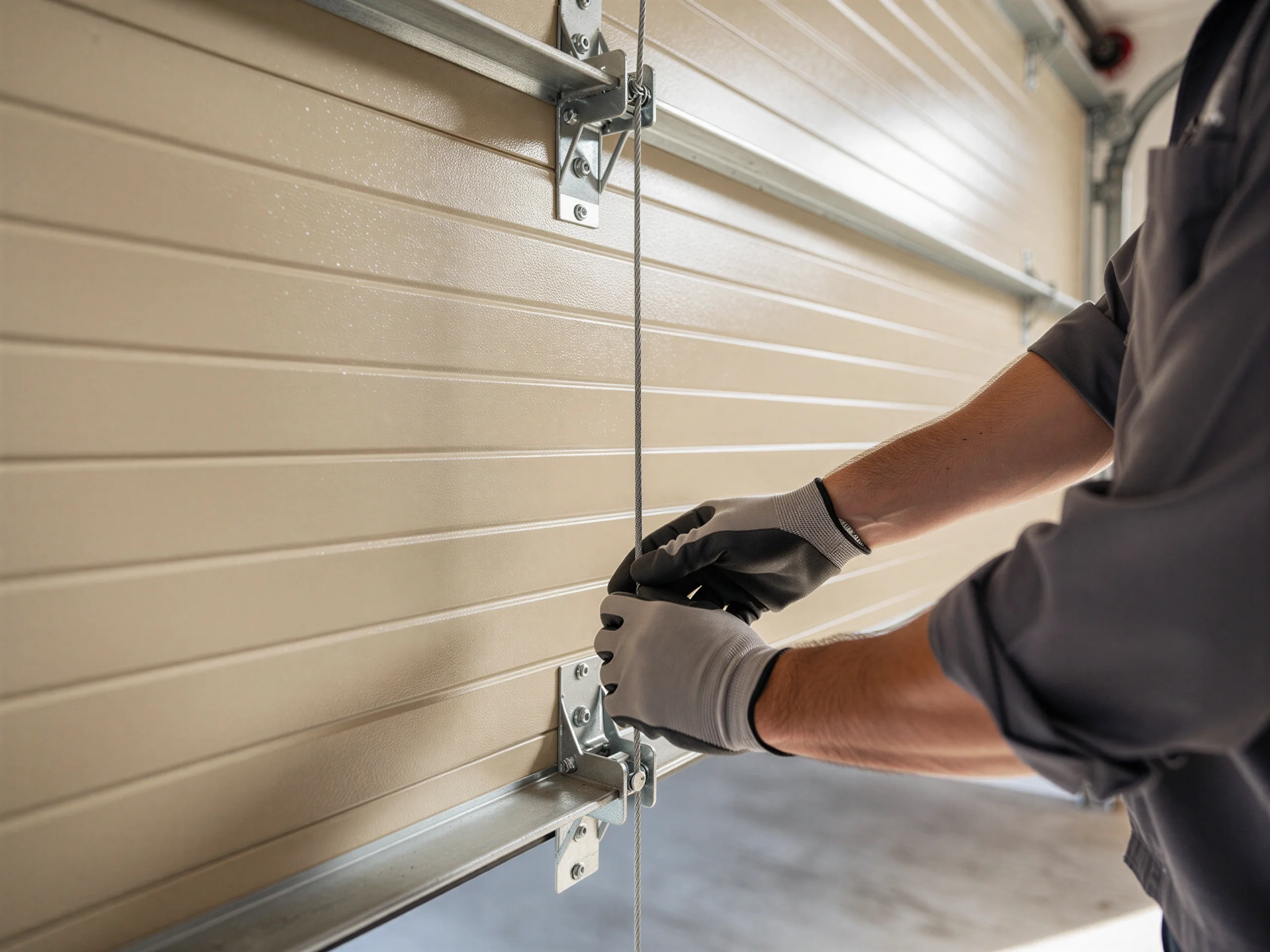
Garage Door Cable Repair, Springdale AR Service Area
Broken or frayed garage door cable in Springdale? Learn more →Ready when you are
Need a garage door sorted in Springdale?
Springdale Garage Door Pros repairs and installs garage doors, springs and openers in Springdale, AR and the surrounding area.