
Blog
What We Actually Look At When We Show Up
Springdale homes mostly date 1979-2013. See what a garage door service call actually checks on that era of door, spring, and track before you call us.
What Is Going On
Most of the garage doors we open up in Springdale went in somewhere between 1979 and 2013, with the median build year sitting around 1998. That matters because it tells us what's behind the panel before we even pull it off the truck. A door from the late 90s is almost always steel, on torsion hardware, with an opener that's been swapped out at least once by now - openers don't last as long as the door itself.
Across the nineteen communities we work in, from Johnson and Lowell a few miles out to Bella Vista twenty miles up the road, the housing stock runs pretty consistent: mostly 1980s and 90s construction, with newer infill mixed in. That means the failure patterns repeat. Torsion springs rated for a certain number of cycles are coming due around the same age across a lot of these houses at once, which is why a lot of our calls cluster by neighborhood build year rather than by random bad luck.
A service call starts by figuring out which of those two eras your door is from, because the hardware, the spring wind, and the track mounting all differ depending on whether the house is older or newer inside that 1979-2013 window.
What to Check
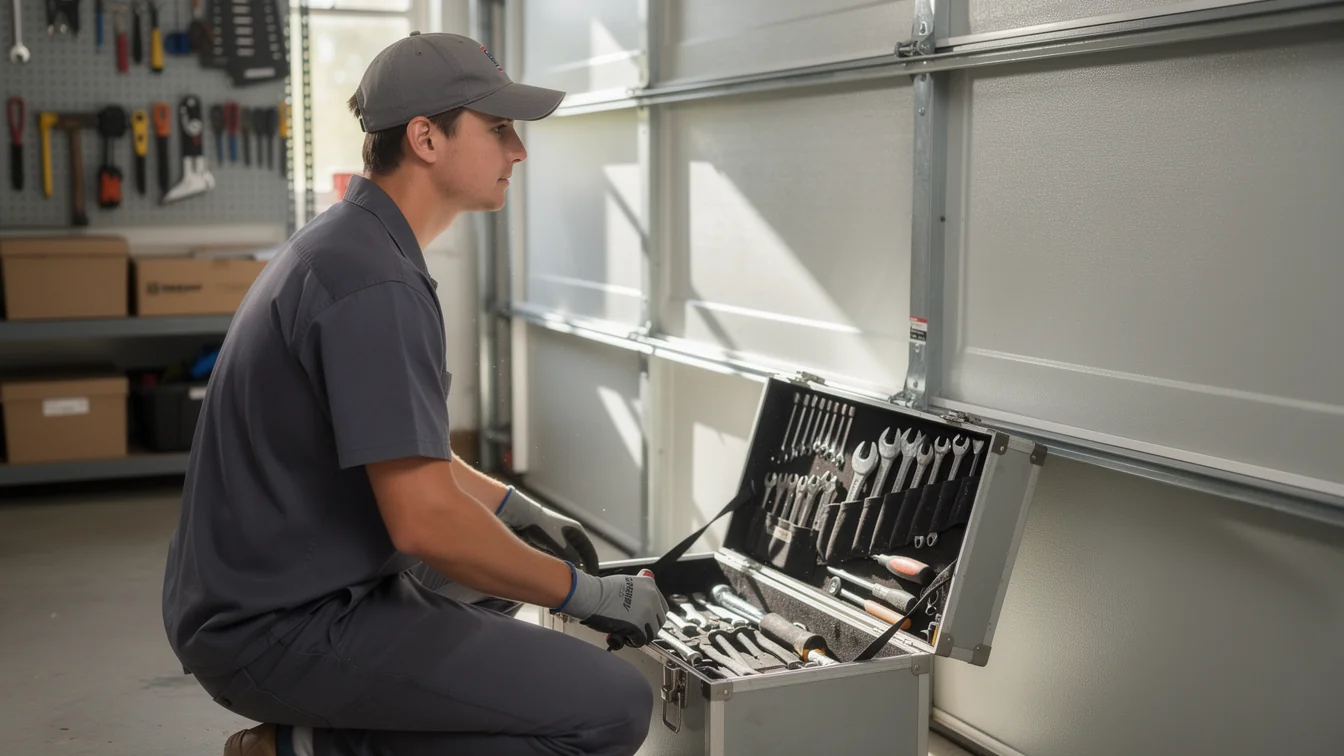
Before anything gets replaced, we walk the whole system: springs, cables, drums, rollers, hinges, the track alignment, and the opener's force and travel settings. On a house built in the 80s or early 90s, we're looking hard at roller wear and at whether the torsion spring has ever been touched - a lot of these have never been serviced once since the house was built.
On the newer end of that 1979-2013 range, closer to 2005-2013, the issues shift. We see more opener-side problems: worn drive gears, failing safety sensors, logic boards that have outlived their expected life. The door hardware itself is usually still sound; it's the motorized parts that give out first.
We also check the slab and header for settling, because across this area the ground does shift enough over 20-40 years to throw an opening slightly out of square. That shows up as a door that binds on one side or a track that's pulled away from the wall a few millimeters - small enough to miss, big enough to burn out an opener early.
None of this is guesswork. It's a short list we run every time, because the age range of the housing stock here means the same five or six failure points account for almost every call.
What the Weather Here Does to It
This area sits in a cold-moderate climate band, which means the door hardware goes through a real freeze-thaw cycle every winter without the extreme swings you'd get further north. That's actually harder on grease and metal than a steady deep freeze would be - lubricant thickens, loosens, thickens again as temperatures move up and down through the season, and that cycling is what dries out a roller bearing faster than age alone would.
We also see torsion springs lose a little tension in cold stretches, which shows up as a door that feels heavier to lift by hand in January than it did in August. It's not broken, it's just cold steel behaving like cold steel. Where it turns into an actual failure is when a spring that's already near the end of its rated cycle count hits a cold morning and gives out instead of just feeling stiff.
Condensation is the other piece. A garage that isn't heated or vented well will sweat on cold mornings, and that moisture sits on tracks and hardware longer than it would in a warmer climate because the temperature swing back up is slower. Over the life of a door built anywhere in that 1979-2013 range, that's enough cycles of damp-and-dry to rust a cable or a hinge pin that was never sealed well to begin with.
When It Stops Being a DIY Job
A door that's noisy or slow to respond is usually fine to troubleshoot yourself - check the track, check the sensors, check the remote battery. A torsion spring is not that job. These springs hold enough stored tension to break a hand or worse if you loosen the wrong bolt, and that's true whether the door is five years old or twenty-five.
We'll also say plainly: if your opener logic board is failing on a door from the early 2000s, sometimes the honest answer is a new opener rather than chasing a board that's been discontinued. We don't stock parts for every opener model built since 1998, and we're not going to pretend we do just to keep a job on the books.
Cable off a drum, a bent track, a spring that's already unwound and the door won't budge - those are service calls, not weekend projects. Given how much of the housing here falls in that same build window, we've seen the same failure show up on three houses on the same street in the same month. That's not a coincidence, it's the hardware aging out together.
Questions
Common questions
How old does a garage door spring usually get before it fails in Springdale?
It depends more on cycle count than calendar age, but since most houses here were built between 1979 and 2013, a lot of original torsion springs are now old enough that failure clusters by neighborhood build year rather than random chance. If your house dates to the late 80s or 90s and the spring's never been replaced, it's due.
Does the cold here actually damage garage door parts?
Yes, though it's the freeze-thaw cycling more than deep cold that does the damage - lubricant thickens and loosens repeatedly through winter, drying out bearings faster than steady temperatures would. Springs also lose some tension on cold mornings, which can push an already-worn spring into failure.
Can I replace a torsion spring myself to save money?
We'd rather you didn't. A wound torsion spring holds enough force to cause serious injury, and that risk doesn't change with the door's age or price. Track, rollers, and sensor checks are reasonable DIY territory; spring work isn't.
Recommendation
You Might Also Like
More garage door guides for Springdale homeowners.
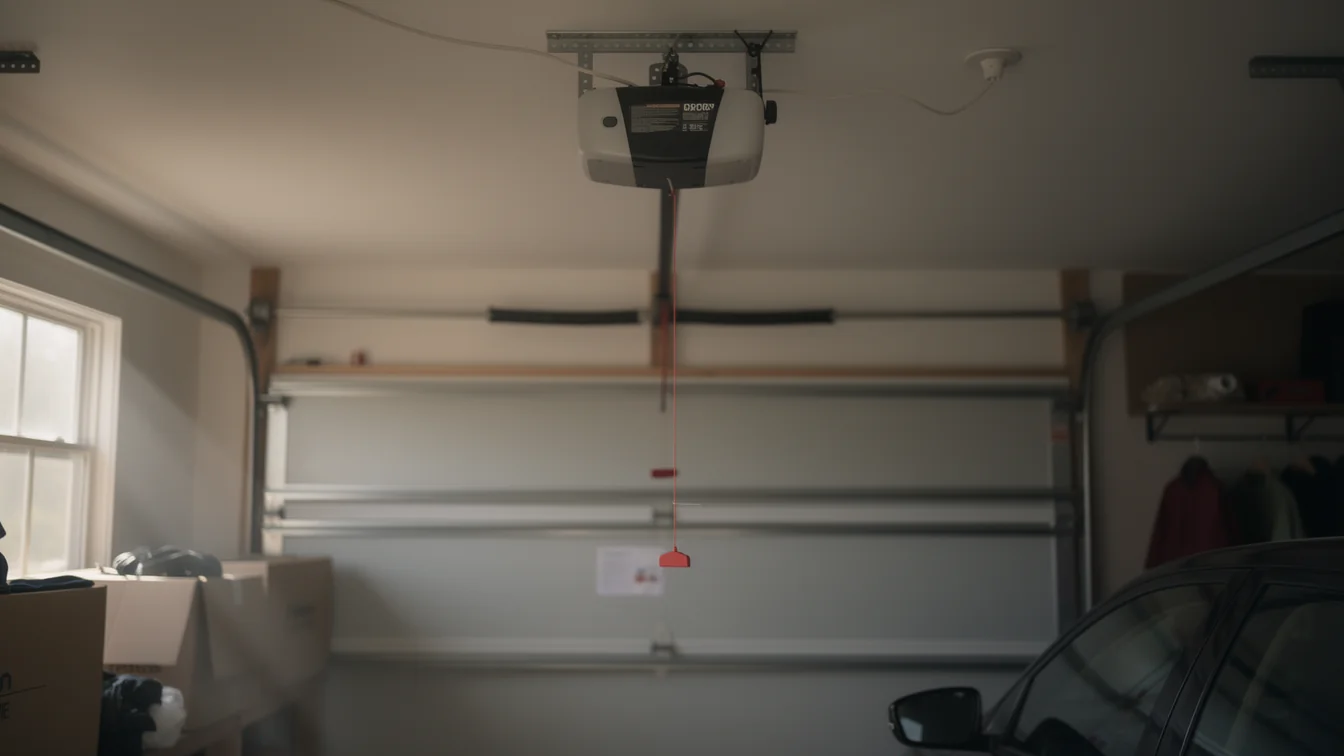
When the Power Goes Out, Your Opener Doesn't Know What to Do
Springdale homes built mostly between 1979 and 2013 lean on openers that don't love winter power loss.
Read guide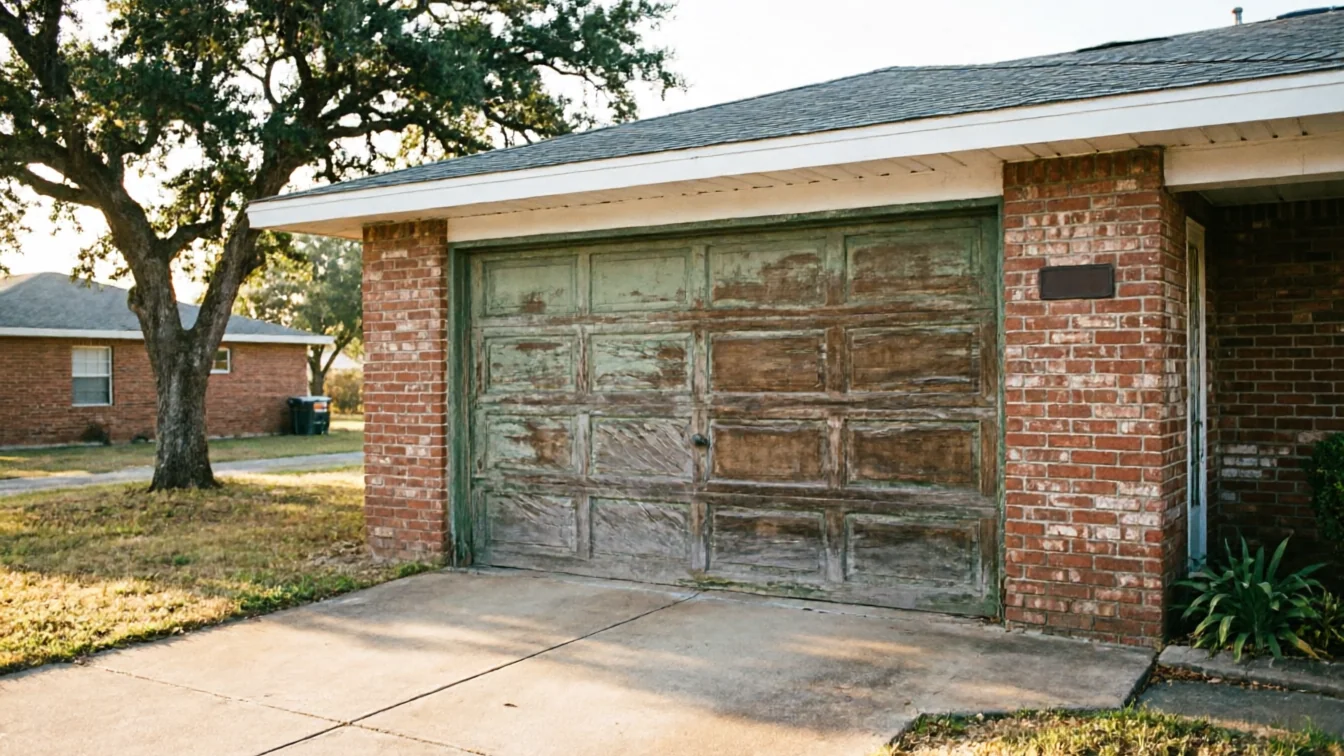
Is Your Springdale Garage Door Worth Fixing, or Done
Springdale homes mostly date 1980s-1998.
Read guide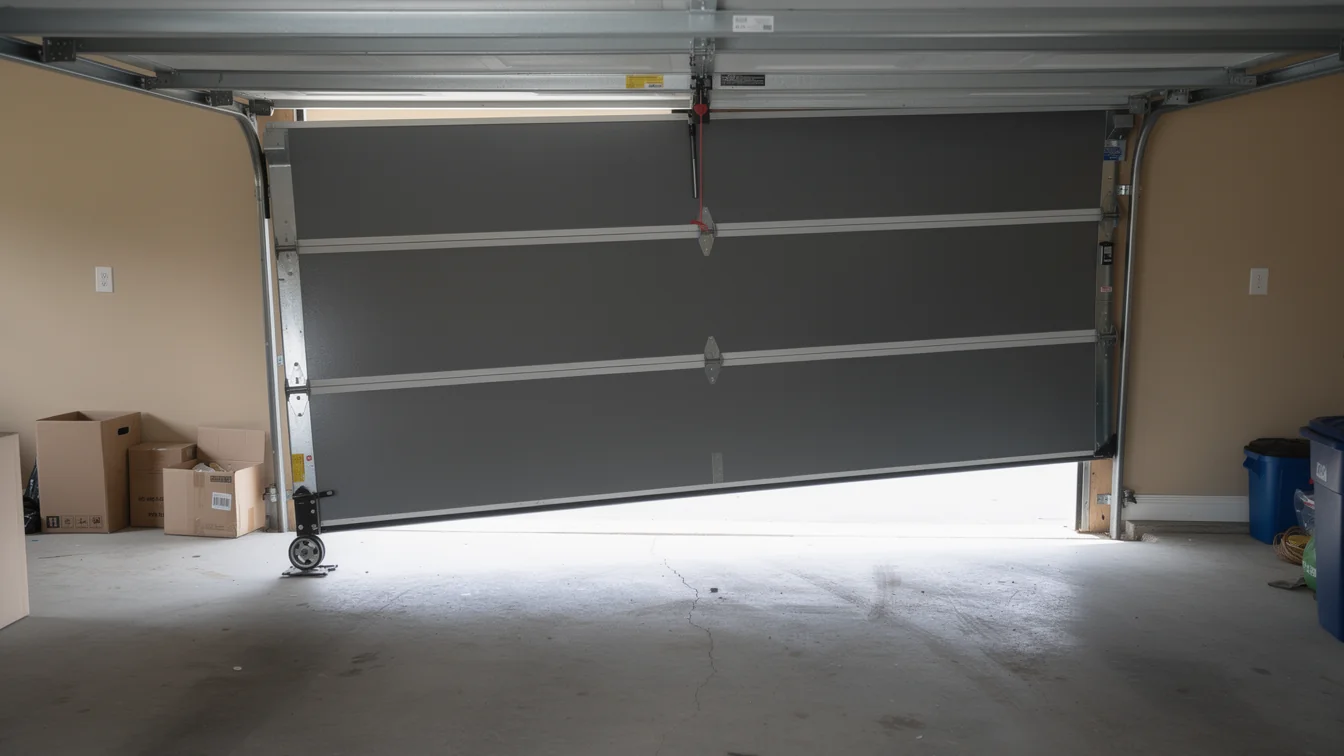
Why a Garage Door Goes Off Track
Springdale's 1980s-90s housing stock and cold winters both play a part in doors jumping track.
Read guideReady when you are
Need a garage door sorted in Springdale?
Springdale Garage Door Pros repairs and installs garage doors, springs and openers in Springdale, AR and the surrounding area.