
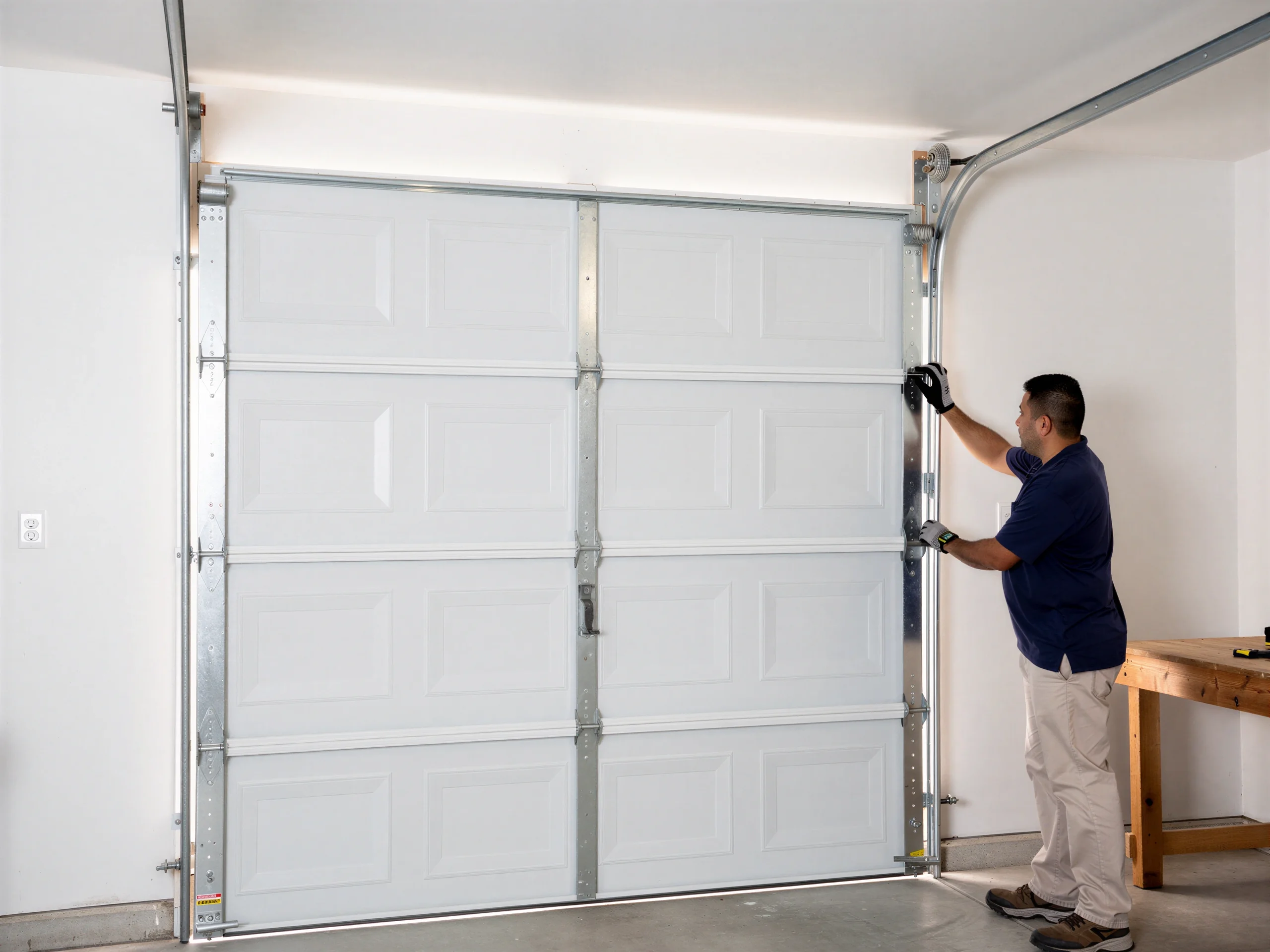
Johnson, Springdale
New Garage Door Installation for Johnson's 1998-Era Homes
Most Johnson homes went up around 1998, which means original builder-grade doors are now 25+ years old. We install new doors sized for this housing stock, out of Springdale.
Booking a Visit
We run this job out of Springdale, about 4 miles from Johnson, so there's no separate branch or local yard here - just a truck that comes over when you call.
Single crew, start to finish
That means no same-day guarantee we can print on a page, but it does mean one crew doing the measuring, the ordering, and the install, instead of handing you off between departments.
Original late 1990s spec
Because Johnson's housing is fairly uniform in age, we usually know what we're walking into before we get out of the truck: a builder-grade steel door from the late 1990s, a torsion spring sized for that door's original weight, and an opener that's outlived its warranty years ago.
Quoting from opening width
Bring us a door opening width and we can usually quote a new install before we're on site, though final numbers depend on what we find once the old door's off its track. See our full install page for Johnson for what we carry, or the Springdale installation page if you're after a different service area.
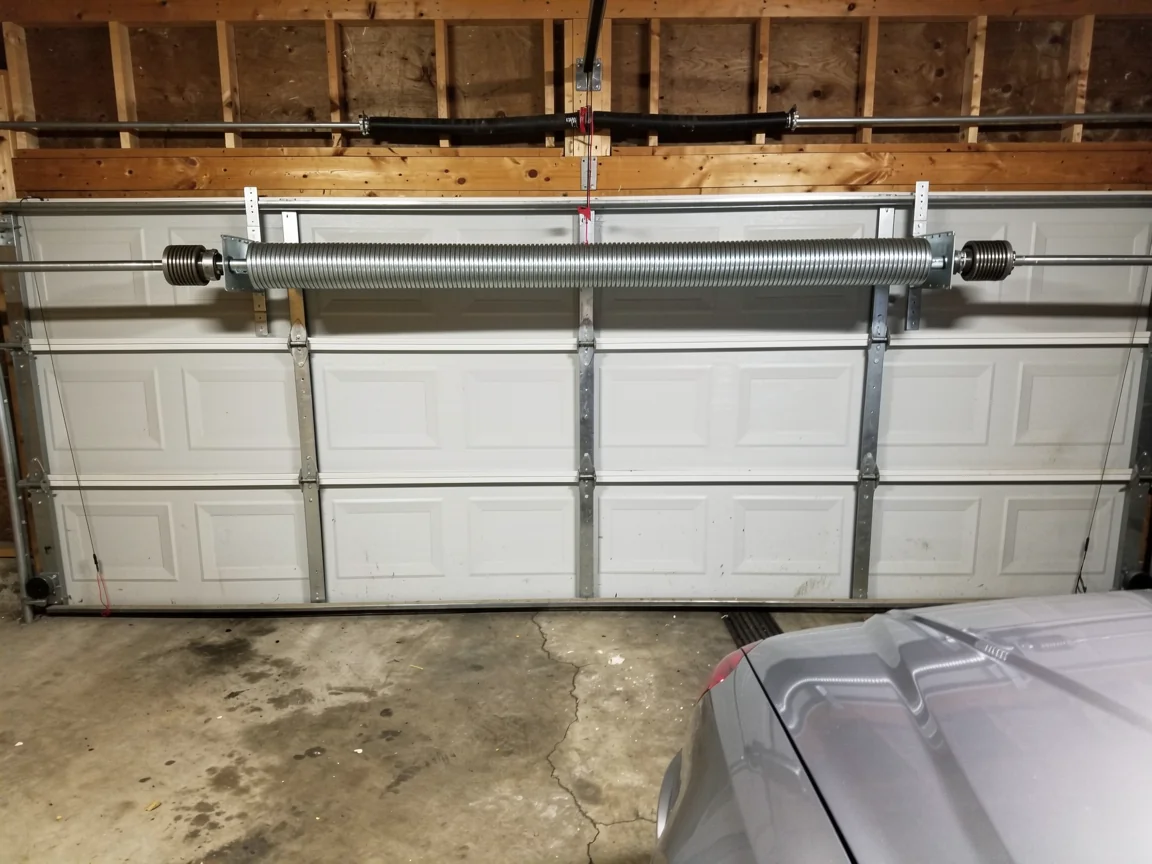
The Complications
The complication in Johnson isn't the door - it's what's holding it. A torsion spring sized for a single-layer steel door in 1998 is wrong for a modern insulated door, which weighs more.
Sizing hardware to new weight
Reuse the old spring and the opener strains, the cable wears faster, and the door doesn't balance right. We size new hardware to the new door's actual weight, not to whatever's already mounted on the wall.
Rail spacing for insulated doors
Track alignment is the other recurring issue: houses from this era used standard-width track built for that generation's header clearance, and a lot of today's insulated doors need slightly different rail spacing to clear the same opening without hitting a low header.
Headroom checked before ordering
We check headroom before we order, not after. None of this is dramatic work, but skipping the check is how a new door ends up binding on day one.
The Symptom
The call we get from Johnson almost always starts the same way: the door's heavy to lift by hand, slow or groaning on the opener, or it's started sagging at the bottom corners. That's not a random failure - it's a steel door built around 1998 reaching the point where the panel skin has thinned from rust or sun exposure and the original spring, now decades past its cycle life, is no longer carrying its share of the weight. On a house this age, a worn panel and a tired spring usually show up within a year or two of each other, because they were installed together and they wear together. By the time the door looks crooked in the opening, the spring is usually already past safe tension, which is a repair job, not a DIY one.
What the Fix Involves
A full install starts with pulling the old door and spring assembly, checking the existing track and jamb for square, and confirming headroom and backroom clearance for whatever new door you're putting in.
Insulated steel or composite
In Johnson's cold-moderate climate, that usually means we steer customers toward an insulated steel or composite door rather than the single-layer panel that came with the house - it holds heat better in winter without needing a different frame.
Rewinding to new weight
We re-torsion with a spring matched to the new door's actual weight, not the old spec sheet, and we replace worn rollers and cable at the same time since they're already off the track.
Flattened seal replacement
Bottom seal gets swapped too; on a 25-plus-year-old opening it's usually flattened and no longer sealing against wind-driven cold. The whole job is mechanical, not cosmetic - matching hardware to the door you're actually hanging.
Doing It Yourself
Swapping panels or weatherstripping yourself is fine if you're comfortable on a ladder and know which bolts to leave alone. Spring tension is where we draw the line - a torsion spring under load can put someone in the hospital, and on a door this age the spring has had 25-plus years to fatigue in ways you can't see from outside the coil. If your opener is original to the house, it's also worth knowing the drive gear and circuit board are both near end of life; replacing just the belt or chain often buys you another six months, not another decade. We'll tell you straight if a repair isn't worth it against a full new install - sometimes the honest answer is to spend the money once.
Why It Happens Here
Johnson's housing stock clusters tightly around 1998, inside the broader 1979-to-2013 build window for the area, which means most garage doors here are approaching or past the age where steel panels thin out and torsion springs lose consistent tension. With about 1,392 households in town and a median income of $87,150, most of these are owner-occupied single-family homes built to the same era's code and the same era's door specs - so the fault we see in one driveway tends to show up two doors down a few years later. It's not bad luck; it's a neighborhood that aged into this problem at roughly the same pace.
Questions
Common questions
How far out is Johnson from your shop in Springdale?
About 4 miles. We don't keep a separate location in Johnson, so every job here is a Springdale truck coming to you. It doesn't change install quality, but it does mean scheduling runs through the same crew covering the rest of the area.
Why does my 1998 door feel so much heavier than a new one?
It's likely not heavier - the spring has lost tension over 25-plus years of cycling, so the opener and your arm are doing work the spring used to share. A new install resets that balance with hardware sized to the actual door you're hanging.
Should I replace the opener when I replace the door?
If the opener is original to a 1998-era house, the drive components are near the end of their service life anyway. We'll check it during the install and tell you honestly whether it's worth keeping or swapping at the same time.
Do insulated doors make sense for Johnson's climate?
Given the cold-moderate winters here, yes - most homeowners replacing an original single-layer steel door move to an insulated panel. It's a meaningful comfort difference in an attached garage through the colder months.
Explore more
More Services in Johnson
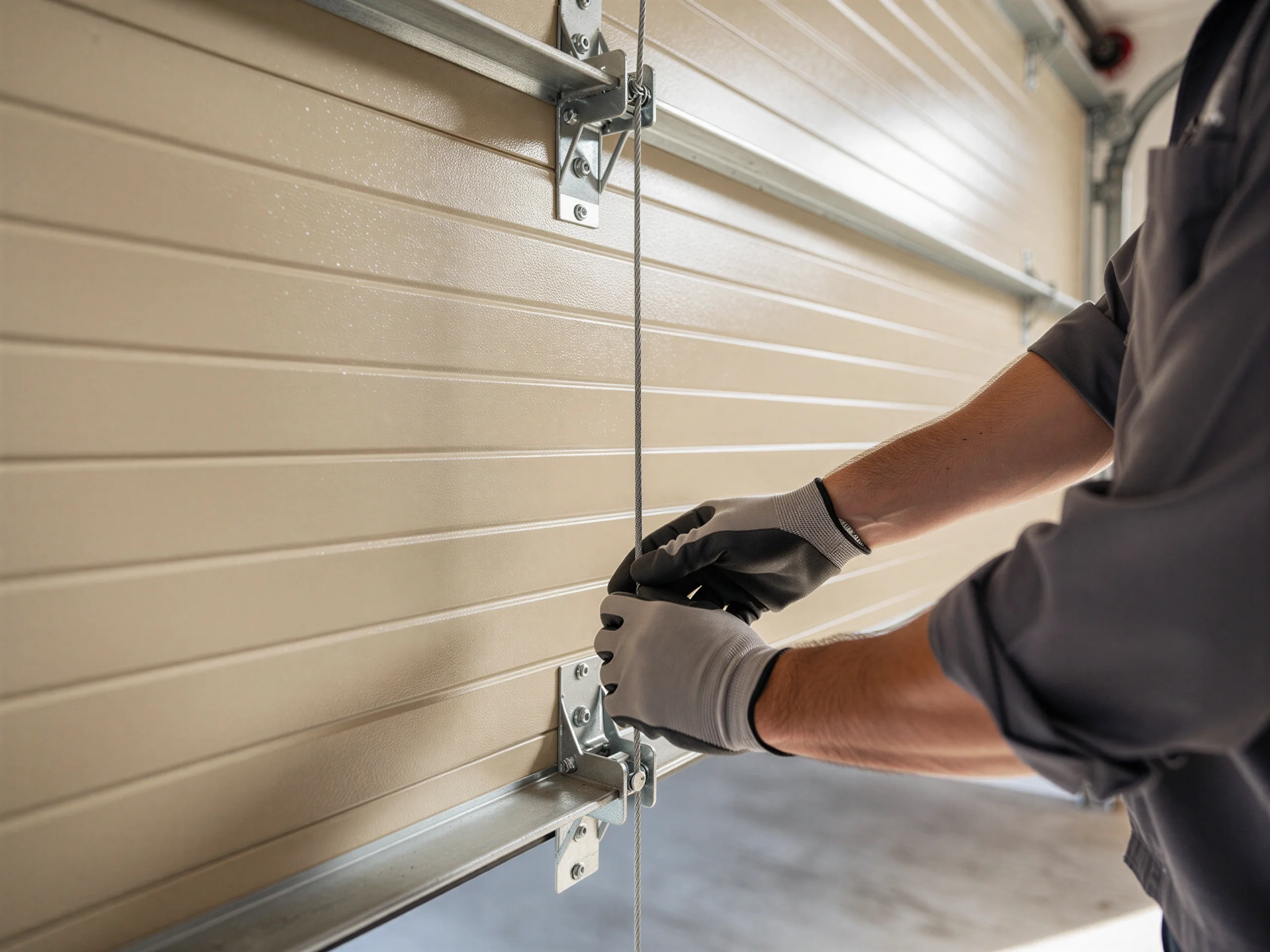
Cable Repair
Johnson homes built mostly after 1998 still run on their original lift cables. Learn more →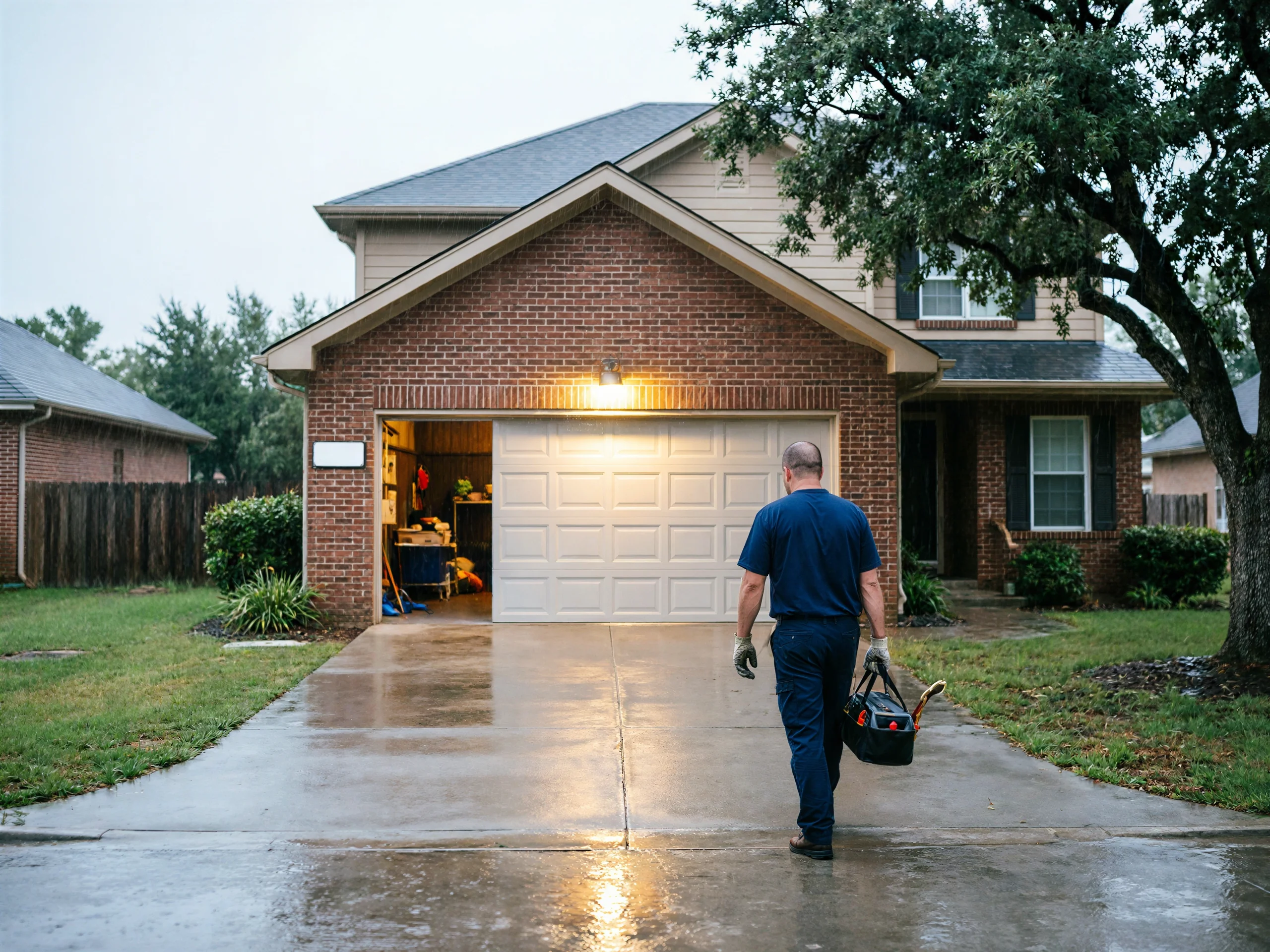
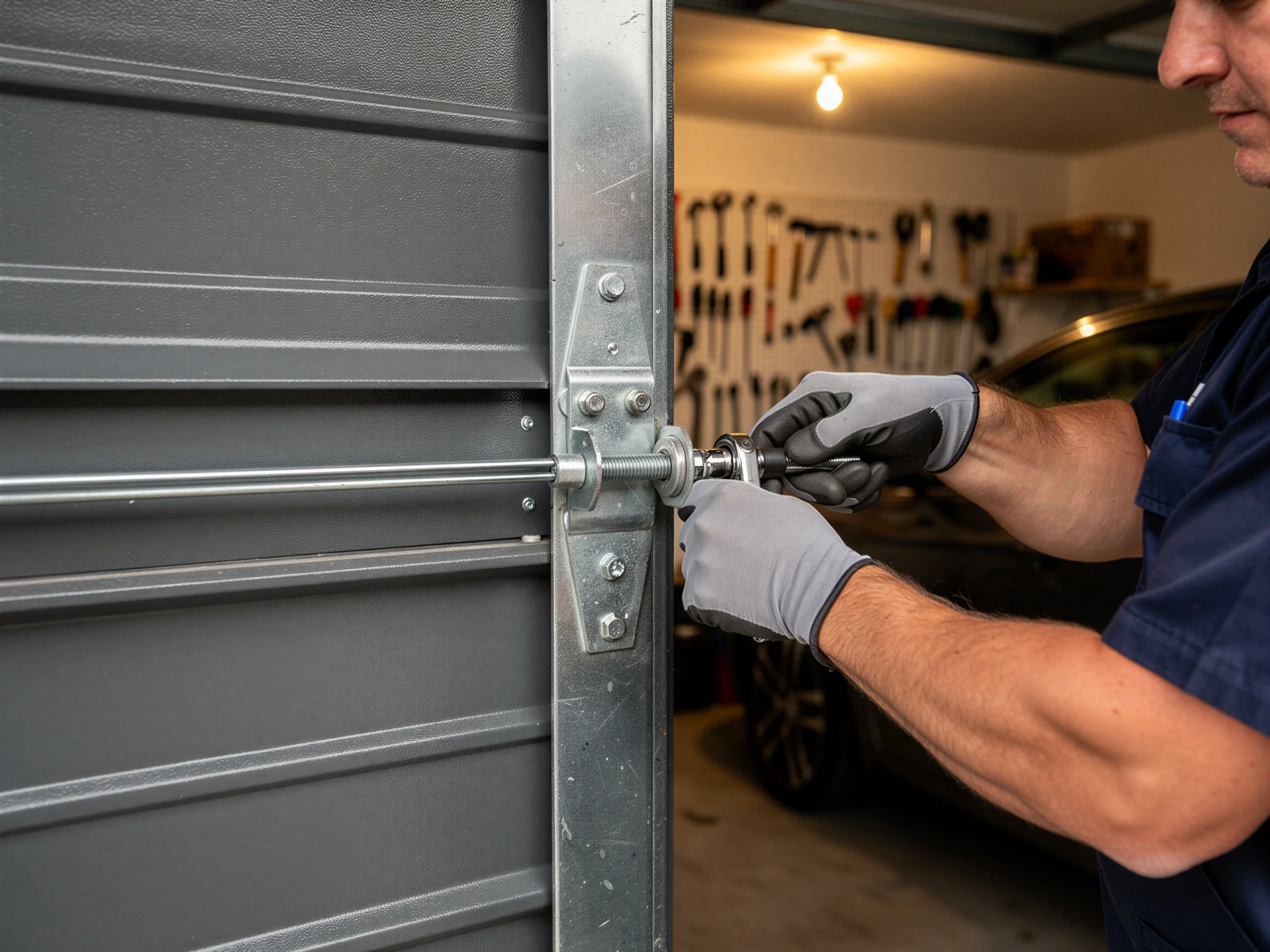
Garage Door Repair
Johnson homes built around 1998 carry different spring and opener hardware than older Springdale stock. Learn more →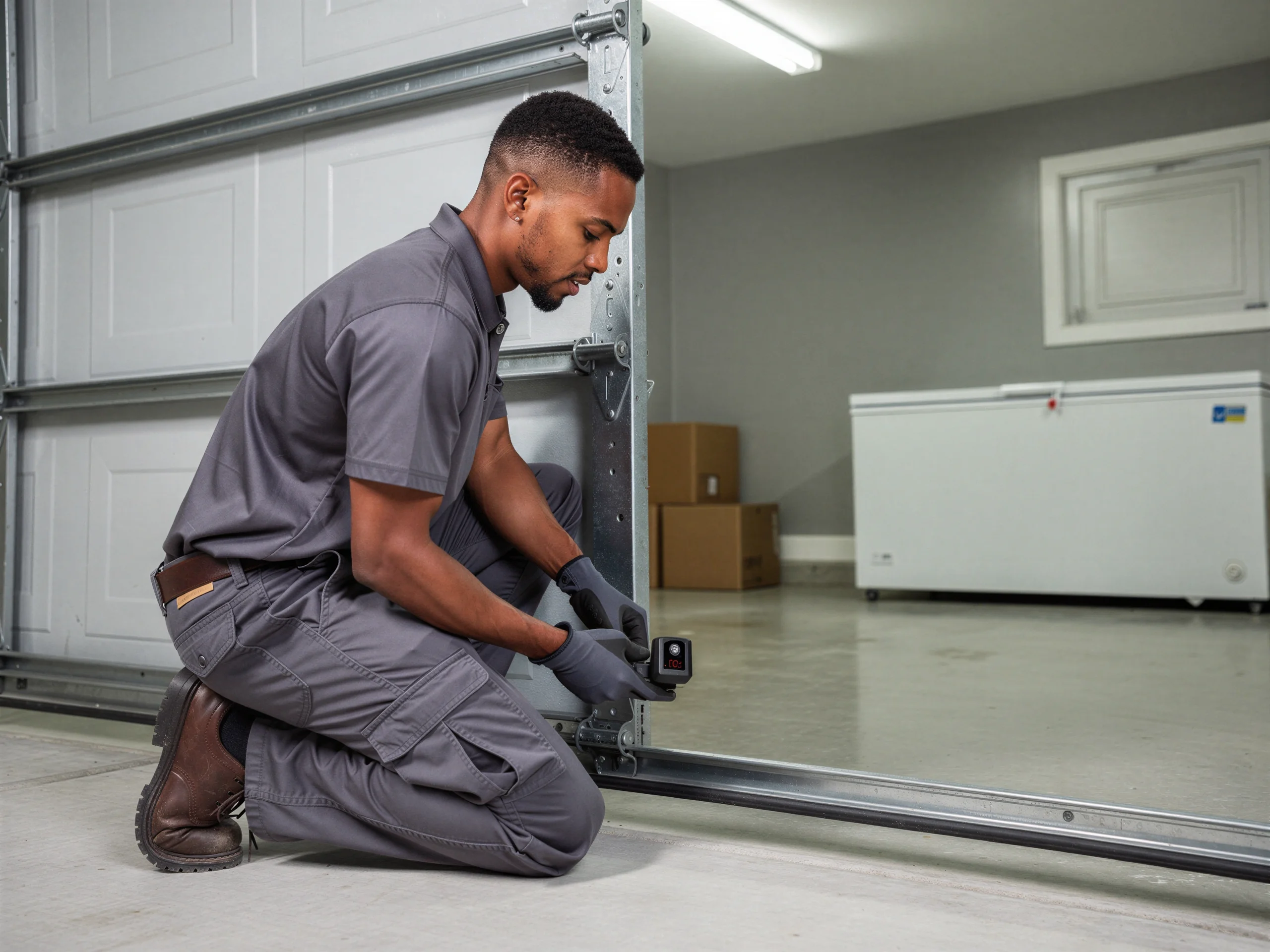
Garage Door Service
Johnson, AR homes built around 1998 are reaching spring and opener replacement age. Learn more →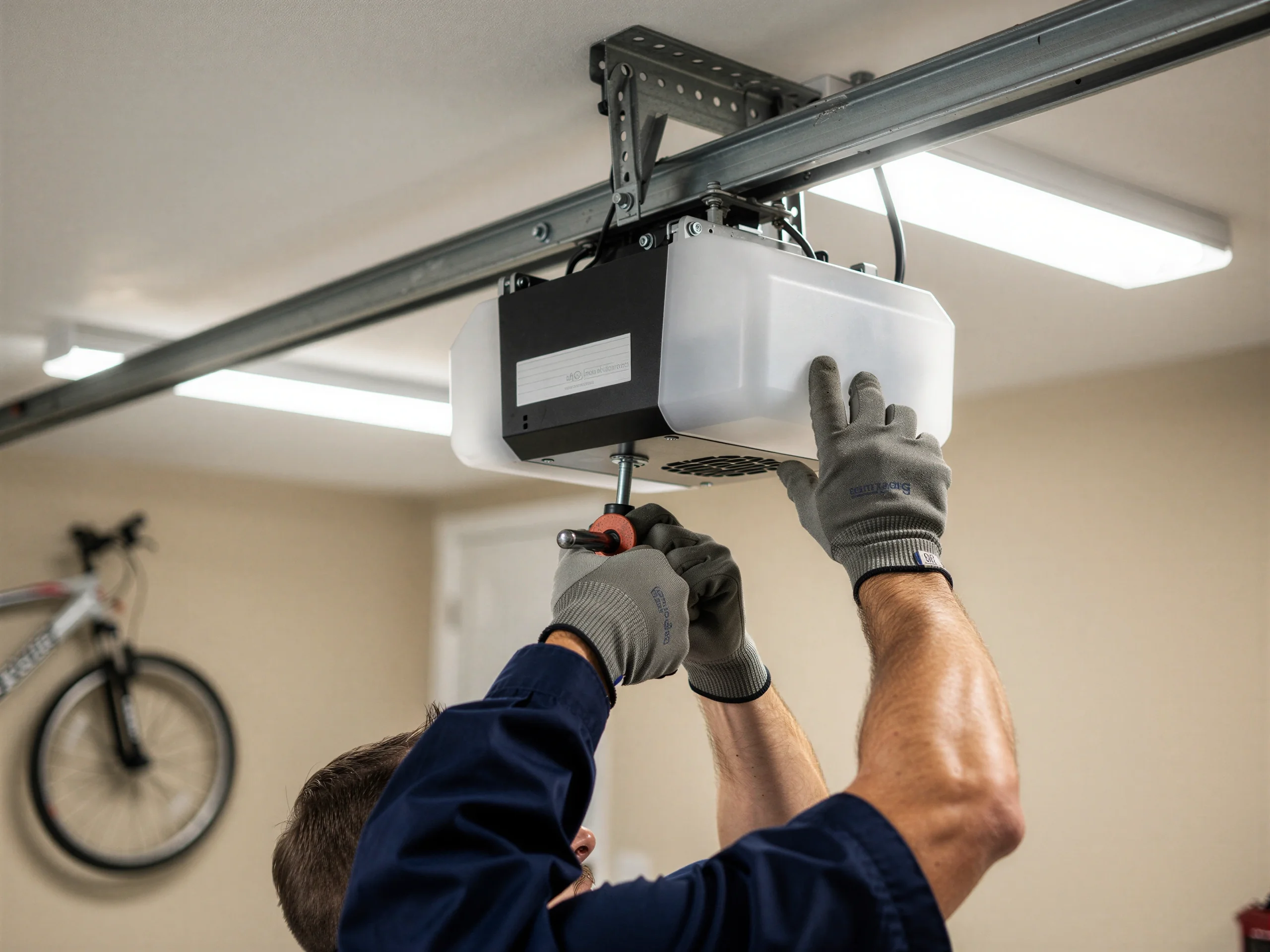
Opener Installation
Johnson homes mostly went up around 1998, which means chain-drive openers now failing after two decades. Learn more →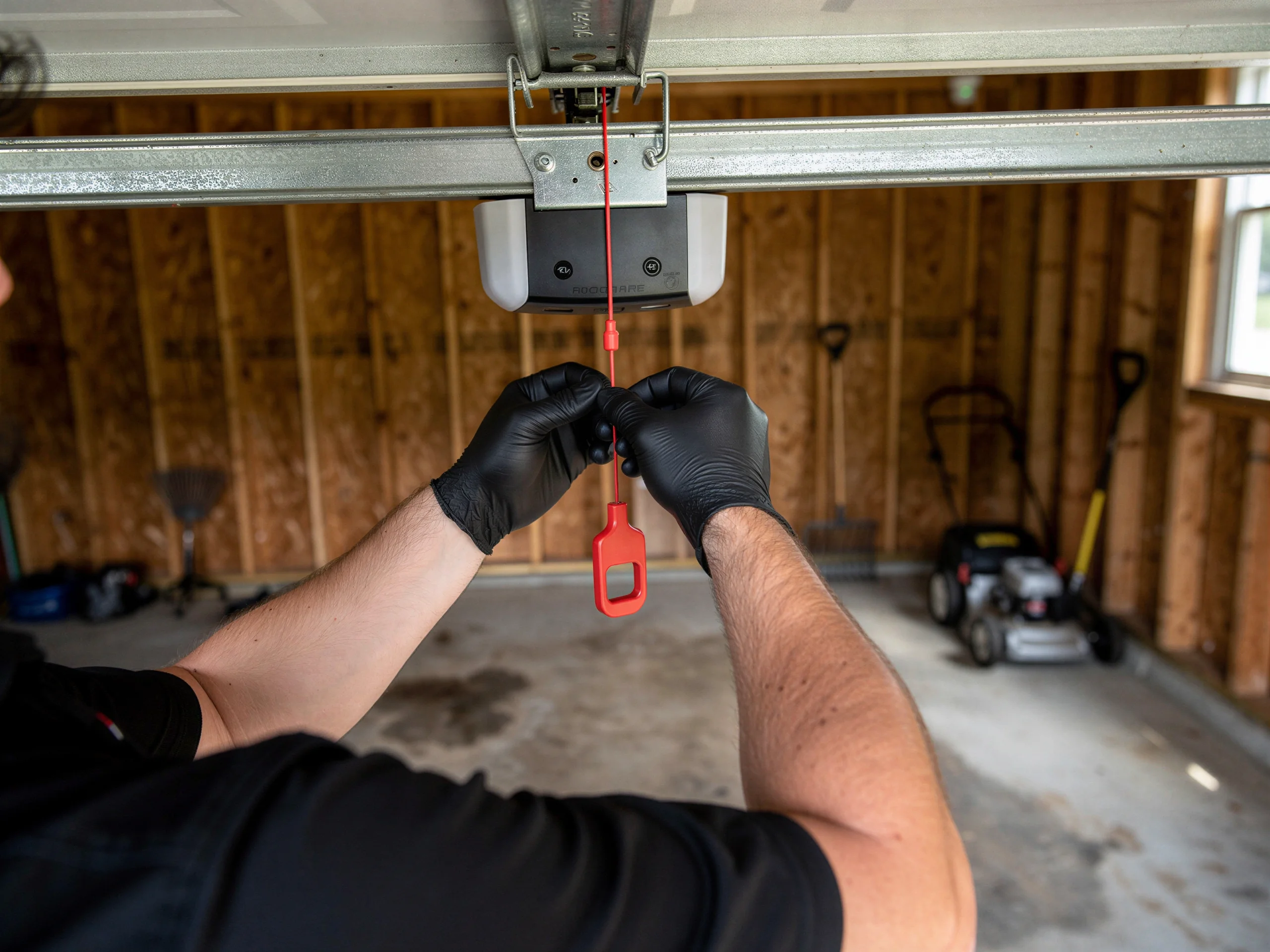
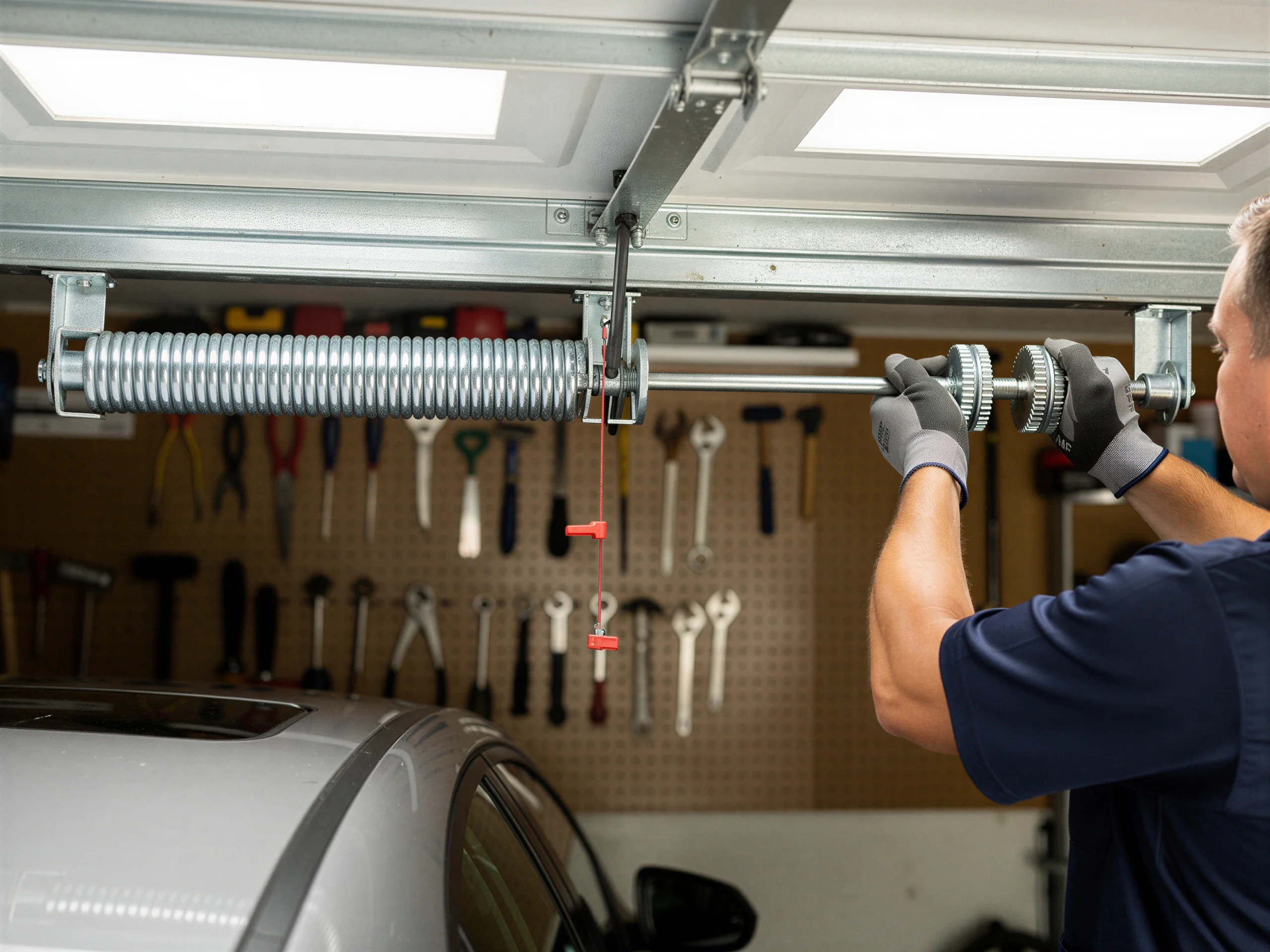
Spring Repair
Torsion and extension spring repair for Johnson, AR homes built 1979-2013. Learn more →Ready when you are
Need a garage door sorted in Springdale?
Springdale Garage Door Pros repairs and installs garage doors, springs and openers in Springdale, AR and the surrounding area.